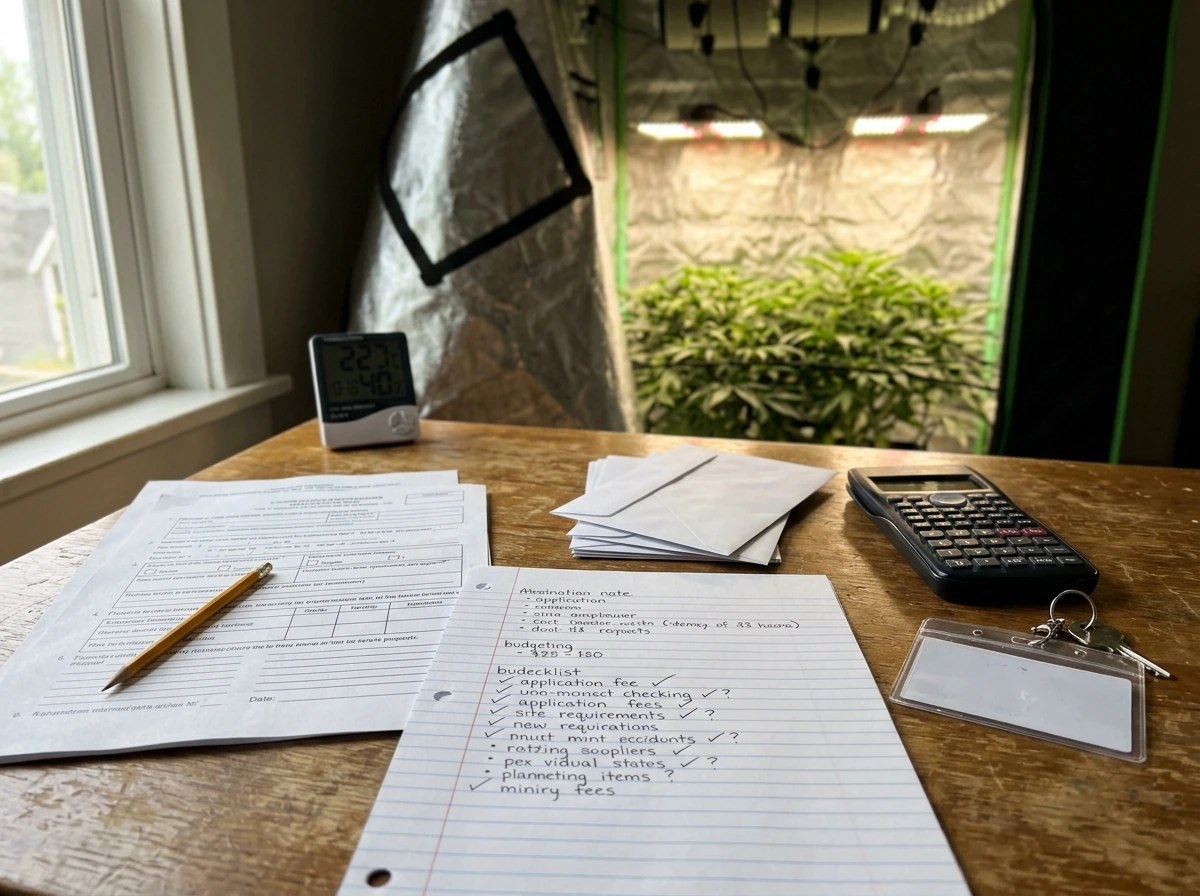
Yes, you can [legally grow your own weed](/home-grow-legalities/is-it-legal-to-grow-cannabis-in-amsterdam) in many US states, but the honest answer depends entirely on where you live. There is no single federal "yes" or "no" here. As of March 2026, roughly two dozen states allow some form of home cultivation, but each one sets its own rules around how many plants you can grow, who qualifies, whether cultivation must be locked away, and whether you need to register first. Your job is to find out exactly which rules apply to your address, then follow them precisely. is it legal to grow a weed plant at home
Can I Legally Grow My Own Weed? State Guide Checklist

Marcus Whitley
24 Mar 2026
What 'allowed' actually means for home growing
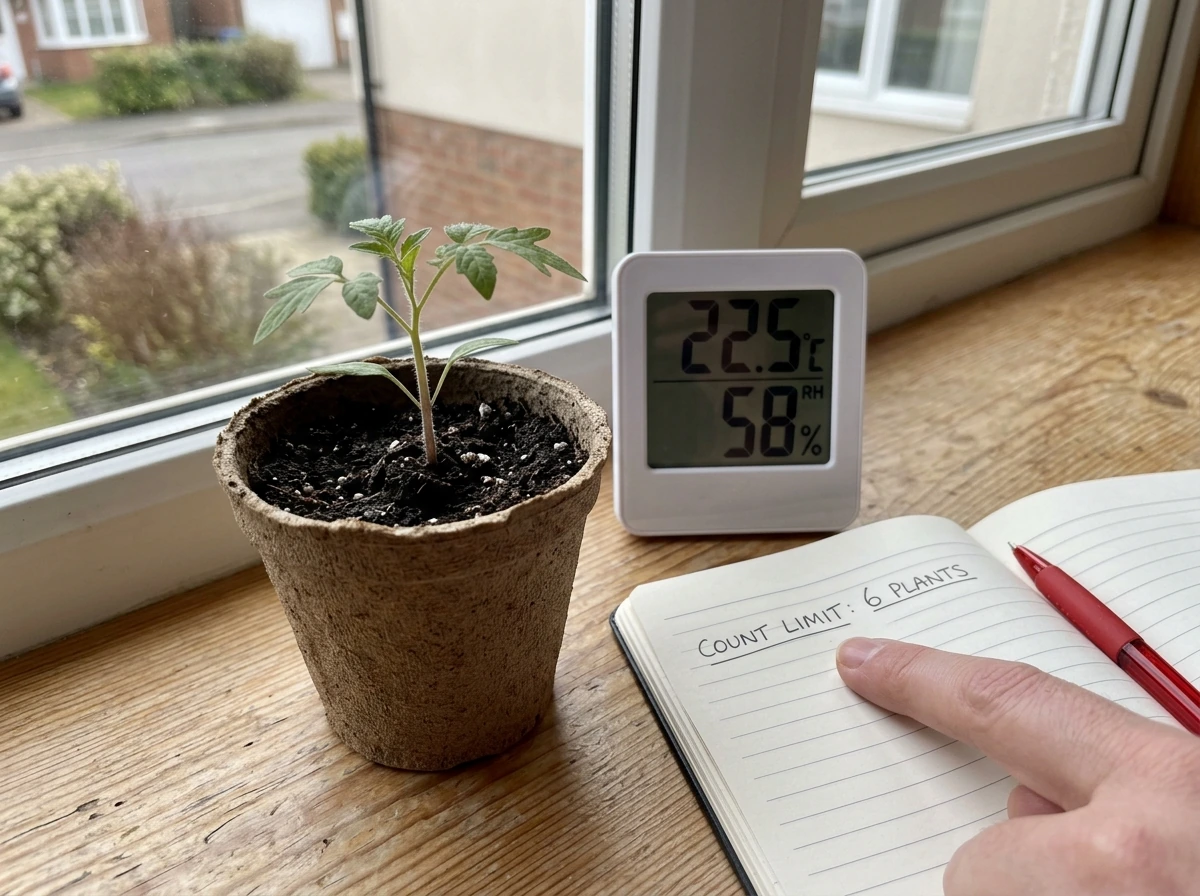
When a state says home cultivation is "allowed," it usually means a qualifying adult can grow a capped number of plants at their primary residence without obtaining a commercial license. It does not mean anything goes. Every permissive state attaches conditions: a plant-count ceiling, an age threshold (almost always 21+), a requirement that plants be grown in a locked or enclosed space, and a restriction that the harvest is for personal use only, not for sale. Crossing any one of those lines can turn a legal grow into a criminal matter.
"Allowed" is also different from "requires a license." "Allowed" is also different from requires a personal-use exemption, separate from the commercial licensing system. do you need a license to grow your own weed If you want to sell, you need a cultivation license. If you just want to grow for yourself and you meet the state's conditions, you generally do not need a formal license, but you may need to register as a medical patient or caregiver depending on your pathway.
Your state and city rules are what matter most
Cannabis law in the US operates at multiple layers: federal, state, and local. Federally, cannabis remains a Schedule I controlled substance, so federal law does not protect home growers anywhere. What protects you is state law, and even then, local ordinances can narrow or effectively ban what the state permits.
A real example: Colorado legalized recreational home cultivation under Amendment 64 and allows adults to grow up to six plants per person (with a three-plant flowering limit), kept in a locked, enclosed space. But a city or county in Colorado can set stricter local rules as long as they stay within the state framework. You need to check both the state statute and your local ordinances before you plant a single seed.
Washington state is a clear warning sign. It has legal recreational cannabis sales but, as of early 2026, recreational home cultivation is still prohibited under state law. Washington is effectively the only adult-use state that does not allow nonmedical home grows. Lawmakers have been debating a fix, but until a bill passes and takes effect, growing at home recreationally in Washington is illegal. If you live there, you need to check the current legislative status before assuming anything has changed.
Ohio moved in the opposite direction. After voters passed Issue 2, adult-use home cultivation became lawful under Chapter 3796, with specific conditions attached including plant-number caps and a requirement that plants be cultivated in a secure, enclosed, and locked space. That is the pattern you will see in most permissive states: a vote or a statute unlocks home growing, but compliance conditions are non-negotiable.
New York and Virginia are two more useful benchmarks. In Virginia, the Cannabis Control Authority confirms that adults 21 and older may grow up to four cannabis plants per household for personal use. New York's Office of Cannabis Management has published detailed home cultivation FAQs covering both adult-use and medical patient rules. Both states have official agency pages you should consult directly, because the details matter.
Medical vs recreational: two different paths to a home grow
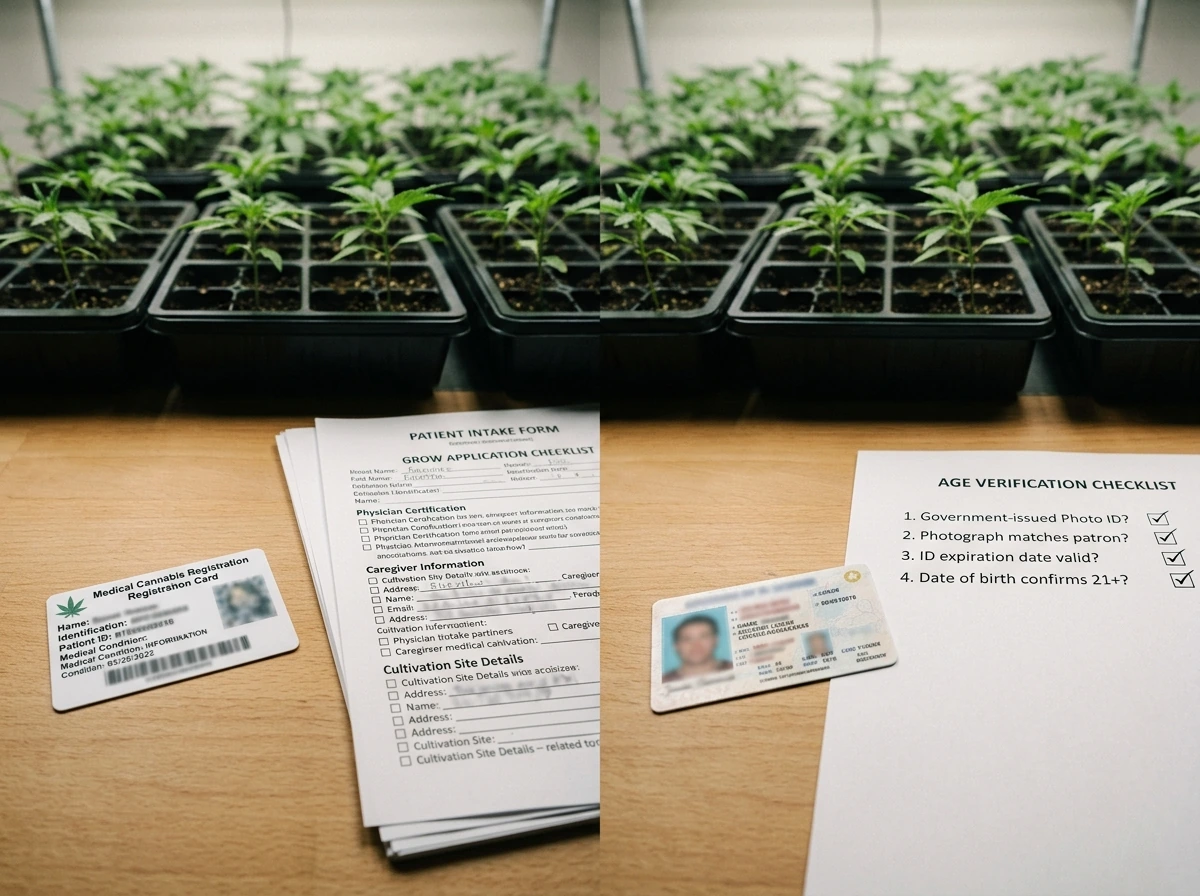
Even in states where recreational home cultivation is restricted or banned, a registered medical cannabis patient often has a separate, sometimes more generous, pathway to grow at home. These two tracks have different eligibility rules, plant limits, and paperwork requirements.
The recreational pathway
In recreational-permissive states, any adult who meets the age requirement (universally 21+) can grow at home without a medical card. No diagnosis needed, no doctor's recommendation, no state patient registry. You just have to follow the plant-count rules, keep your grow secured, and ensure it is for personal use only. Some states also require the grow to be out of public view.
The medical pathway
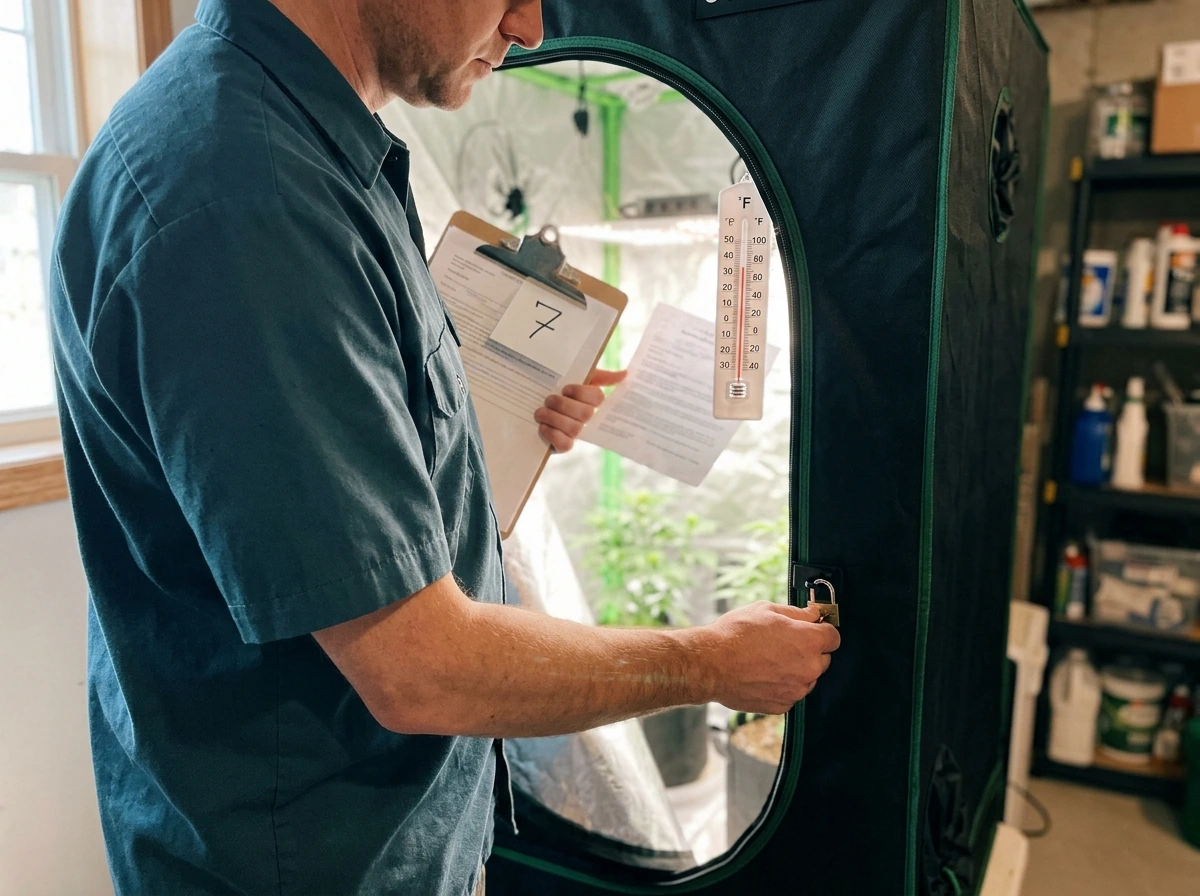
In states with a medical program, registered patients and sometimes their designated primary caregivers are often permitted to grow more plants than the recreational limit, or to grow in states where recreational home cultivation is not yet legal. To use this pathway, you typically need a qualifying medical condition, a physician's written certification, and an active registration with the state's medical cannabis program. New York's OCM, for instance, distinguishes between certified medical cannabis patients and adult-use consumers when it comes to home cultivation rights and household plant caps.
If you hold a medical card, your home cultivation rights may be broader, but they are not unlimited. Caregiver arrangements add another layer: a primary caregiver designated to grow for a patient may be allowed to cultivate on behalf of one or more patients, but each state sets its own cap on how many plants a caregiver can maintain and how many patients they can serve. More detail on these medical-specific rules is covered in related guides on medical card home cultivation.
The rules you actually have to follow
Across permissive states, the following conditions show up repeatedly. Not every state applies all of them, but most apply several.
| Requirement | Typical rule | Example |
|---|---|---|
| Age | 21+ for recreational; varies for medical | Virginia, New York, Ohio: all require 21+ |
| Plant count (recreational) | 3 to 6 plants per adult, with a household cap | Colorado: 6 per adult, 12 per household; Virginia: 4 per household |
| Plant count (medical) | Often higher; set per patient or per caregiver | NY OCM sets separate patient and caregiver caps |
| Locked/enclosed space | Plants must be in a secured, enclosed area | Ohio requires secure, enclosed, and locked cultivation |
| Primary residence | Growing at your home address, not elsewhere | Most states tie home grow rights to primary residence |
| Out of public view | Plants cannot be visible from a public space | Common requirement in CO, VA, and others |
| Personal use only | No sale, no transfer for compensation | Universal across all permissive states |
| Patient/caregiver registration | Required for medical pathway | NY OCM requires certification and program registration |
The locked/enclosed requirement is one people underestimate. It is not just about keeping curious neighbors out. In states like Ohio and Colorado, it is a statutory compliance condition. An unlocked shed or a grow visible from the street can put you outside the legal protection the statute provides, even if your plant count is within limits.
If home growing is not allowed where you live
If your state or locality prohibits home cultivation, you have a few realistic options, none of which involve growing illegally and hoping for the best.
- Check whether the medical pathway opens a door. Some states that ban recreational home grows still allow registered medical patients to cultivate. If you have a qualifying condition, look into your state's medical cannabis program and whether patient home cultivation is permitted.
- Monitor pending legislation. Laws change. Washington state has had active bills to legalize recreational home growing. If you are in a state where cultivation is banned, check whether any reform bills are moving through your legislature and when they might take effect.
- Look into licensed cultivation options. If you want to grow commercially rather than personally, your state may have a tiered cultivation licensing system with a microbusiness or craft tier designed for small-scale growers. These require formal applications, fees, and compliance with regulations, but they are the legal path if personal home cultivation is off the table.
- Wait for the law to change before you plant. This is the straightforward answer. Growing illegally, even in small quantities, carries real legal risk in states where it is prohibited. There is no workaround that makes an illegal grow legal.
For anyone considering the commercial licensing route, the key question is whether your state's cannabis agency is currently accepting applications, what tier of license fits your scale, and what the application requirements and costs are. Those specifics vary widely by state and are worth researching through your state's cannabis regulatory agency directly.
Your compliance checklist and next steps for today
Here is what to actually do right now, before you start growing anything.
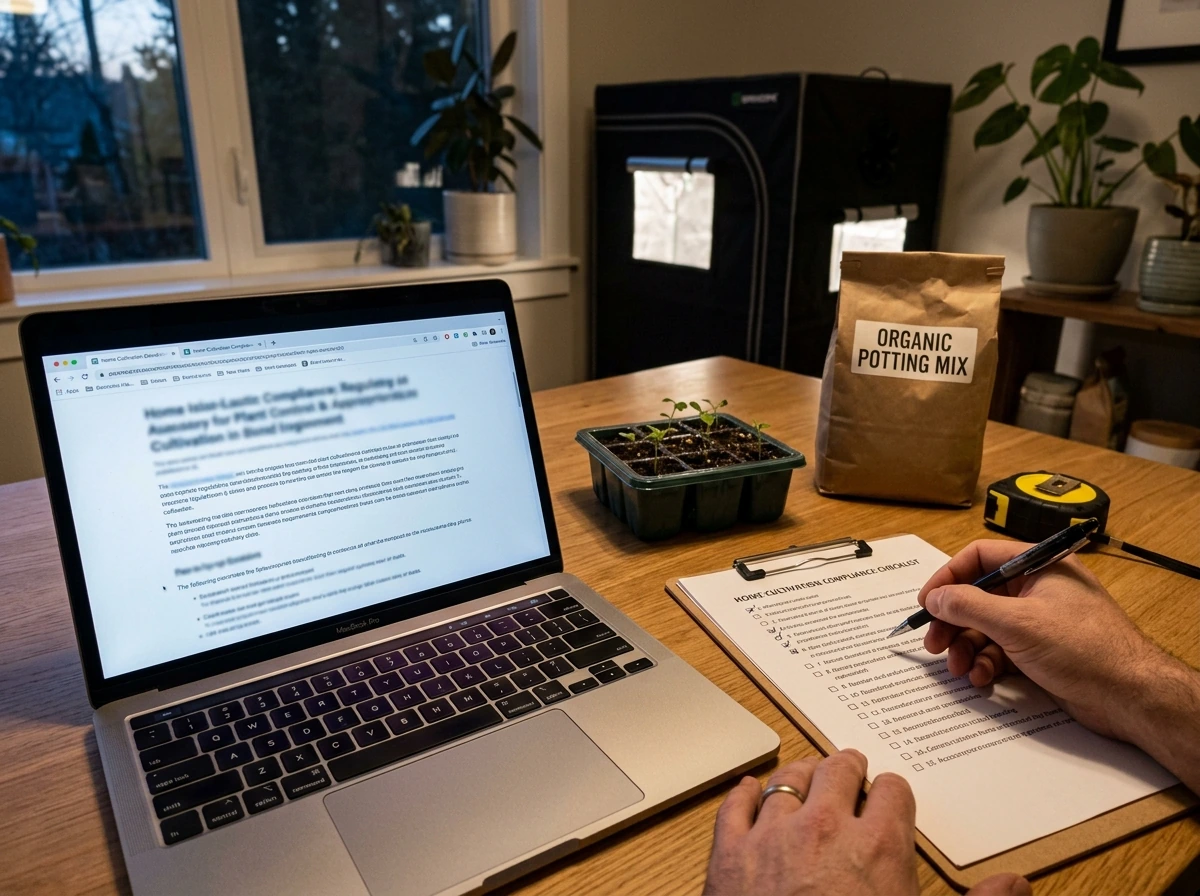
- Confirm your state allows home cultivation. Look up your state's cannabis regulatory agency website and search specifically for 'home cultivation' or 'personal cultivation.' Do not rely on news articles or social media. Go to the official source.
- Check your local ordinances. Even if your state permits home growing, your city or county may impose additional restrictions or bans. Search your municipality's municipal code or contact your local government directly.
- Identify your pathway: recreational or medical. If you do not have a medical card, you are on the recreational track. If you do, check whether your state's medical program provides different (or better) home cultivation rights.
- Verify the exact plant count for your household. Know the difference between the per-person limit and the per-household cap. If multiple adults live with you, find out whether each person gets their own allowance or whether a household ceiling applies.
- Confirm the security and location requirements. Find out whether your state requires a locked enclosure, prohibits visibility from public areas, or mandates that cultivation occur only at your primary residence.
- Check whether any registration or documentation is required before you start. Some states require you to mark plants or keep records. Medical patients need active program registration. Do not assume you can grow first and register later.
- If home cultivation is prohibited, determine whether a medical pathway or licensed cultivation option applies to your situation, and check when or whether legislative changes are pending.
- Bookmark your state's official cannabis agency page and check back periodically. Rules do change, and what is accurate today may be updated.
The state-by-state variation in home cultivation law is genuinely significant. Virginia caps households at four plants. Colorado ties its limit to adults per household. New York distinguishes between medical and adult-use growers. Ohio requires a locked, enclosed space. Washington still prohibits recreational home grows entirely. No shortcut replaces checking the rules for your specific address before you start.
If you are unsure whether something you read applies to your exact situation, especially around caregiver arrangements, multi-patient households, or local zoning rules, it is worth a call or email to your state cannabis control agency. They are there to answer compliance questions, and getting a clear answer before you grow is a lot better than finding out after the fact that you misread the rules.
FAQ
If my state allows home cultivation, does that automatically mean it is legal in my city or county too?
No. State rules set the baseline, but local ordinances can add stricter limits or enforcement priorities (for example, location restrictions, visibility rules, or how cultivation must be secured). Check your city or county code in addition to the state statute before you plant.
Does “personal use only” mean I can give extra plants or share with friends?
In most states it does not. “Personal use” is typically tied to limited plant counts and consumption by the household or qualifying patients. Sharing plants, offering products, or transferring harvested cannabis can trigger sale or transfer enforcement even if you never charge money.
What counts as a “plant” under home-cultivation rules? Are seedlings included?
Rules vary, but many states count viable plants differently at different growth stages, and some exclude certain stages such as immature seedlings until they reach a defined status. Because this can affect your legal plant cap, confirm how your state defines “plant” before you start multiple starts at once.
Do I have to grow in a locked room, or is a locked shed or tent enough?
Often a locked, enclosed setup is required, and some states specify physical separation and that it must not be accessible without authorization. A locked tent in a bedroom might not satisfy an enclosure plus lock requirement if the rule expects a more permanent or fully contained structure, so match your setup to your state’s wording.
Is it legal to grow outdoors if my state allows home cultivation?
Many states allow only an enclosed space or require plants be kept out of public view, which can make outdoor growing risky or effectively disallowed. Even if outdoor growth is not explicitly banned, visibility from a public place or lack of secure enclosure can remove the protection of the allowance.
What if I have roommates or family members, how do household plant caps work?
Several states tie limits to the number of adults in the household or impose a strict per-household cap regardless of who lives there. A multi-adult home can raise your allowable ceiling in some places, but combining everyone’s plants under one cap can also be a compliance mistake if your state counts adults differently.
If I move to a new address within the same state, can I keep growing the same plants?
Often yes for existing plants, but you still must comply with the rules at the new location, including local ordinances and household plant caps. Some states require registration updates for medical pathways, and you should also consider whether the new address changes your eligibility or limits.
Can I legally grow more plants if I’m growing for multiple medical patients?
Usually not automatically. Caregiver and multi-patient arrangements can allow cultivation on behalf of patients, but each patient relationship and caregiver cap is state-specific (how many patients one caregiver can serve and how many plants they can maintain). You should verify the paperwork and plant-count rules for caregivers in your state.
If I have a medical card, do I still need to follow the same lock/enclosure requirements as recreational growers?
In most states, security and confinement requirements still apply to medical grows. Medical rights may change plant caps and eligibility, but the locked/enclosed, out-of-public-view requirements commonly remain, and failing them can still create criminal or regulatory exposure.
Do federal laws affect me if I am fully compliant with my state?
Yes, federal law still classifies cannabis as illegal, so state permission does not provide federal protection. Practically, enforcement risk varies, but things like crossing state lines with cannabis remain a major legal hazard even if your home cultivation is lawful under state law.
What is the safest way to confirm the rules for my exact address?
Call or email your state cannabis control agency and ask about your specific situation (household members, planned plant count, indoor versus outdoor, and whether any local zoning restrictions apply). If your state offers an official FAQ or compliance checklist, use that, but still confirm anything unclear, especially caregiver and local ordinance issues.
What are common mistakes that accidentally turn a legal grow into an illegal one?
The most frequent problems are exceeding the plant cap, using an enclosure that is not actually locked or not sufficiently enclosed, allowing visibility from a public area, sharing or transferring cannabis from the household, and assuming that state legality overrides local rules. Another common issue is misunderstanding how counts are determined across growth stages.
Next Article
How Much Is the License to Grow Medical Weed Cost Guide
Budgeting guide on medical cannabis grow licenses: state-by-state costs, renewals, and required fees to plan your total