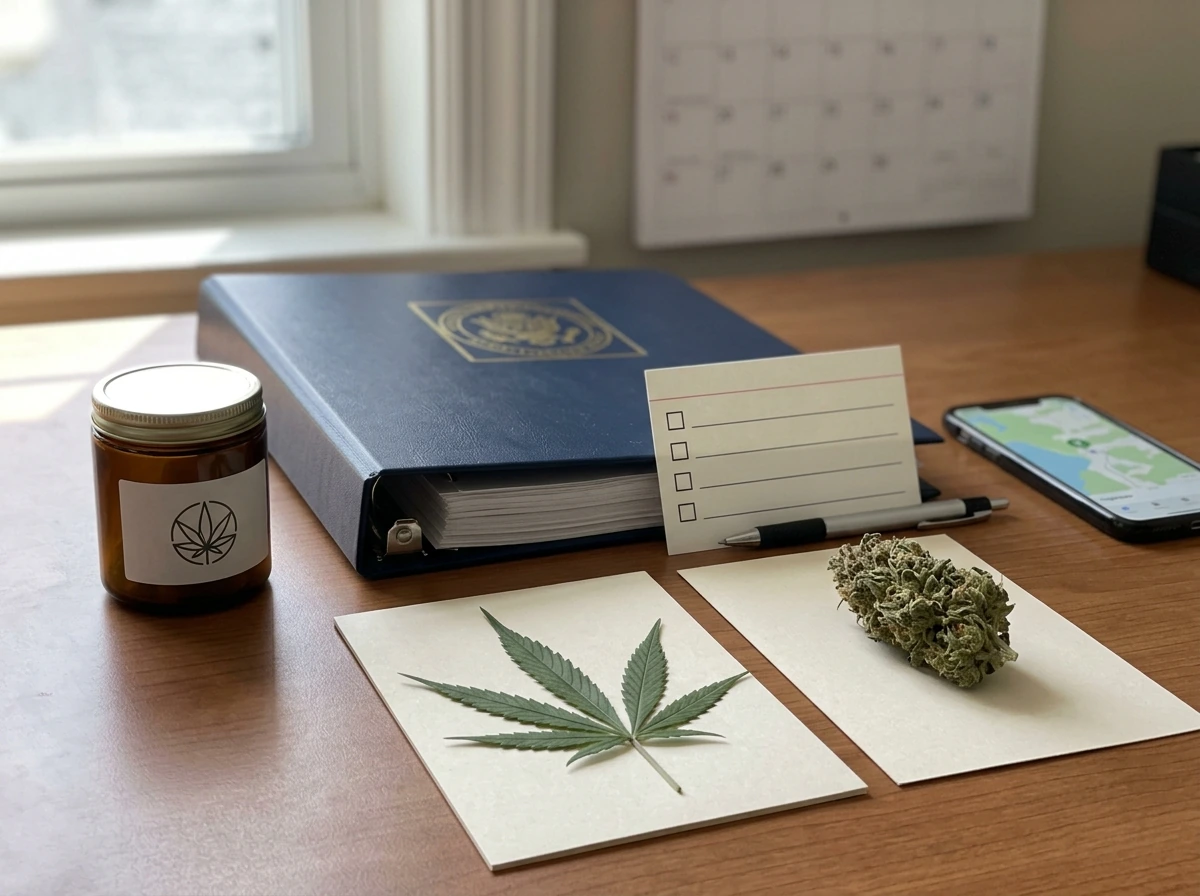
Having a medical cannabis card does not automatically give you the right to Having a medical cannabis card does not automatically give you the right to grow at home. Whether you can cultivate legally depends almost entirely on which US state issued your card and what that state's specific program rules say.. Whether you can cultivate legally depends almost entirely on which US state issued your card and what that state's specific program rules say. Some states explicitly allow registered patients to grow a limited number of plants. Others ban home cultivation entirely, even for cardholders. And a handful are somewhere in between, requiring a separate registration or certificate before you touch a seed. So the honest answer to 'if you have a medical card can you grow?' is: it depends on your state, and the details matter a lot.
If You Have a Medical Card, Can You Grow Cannabis?

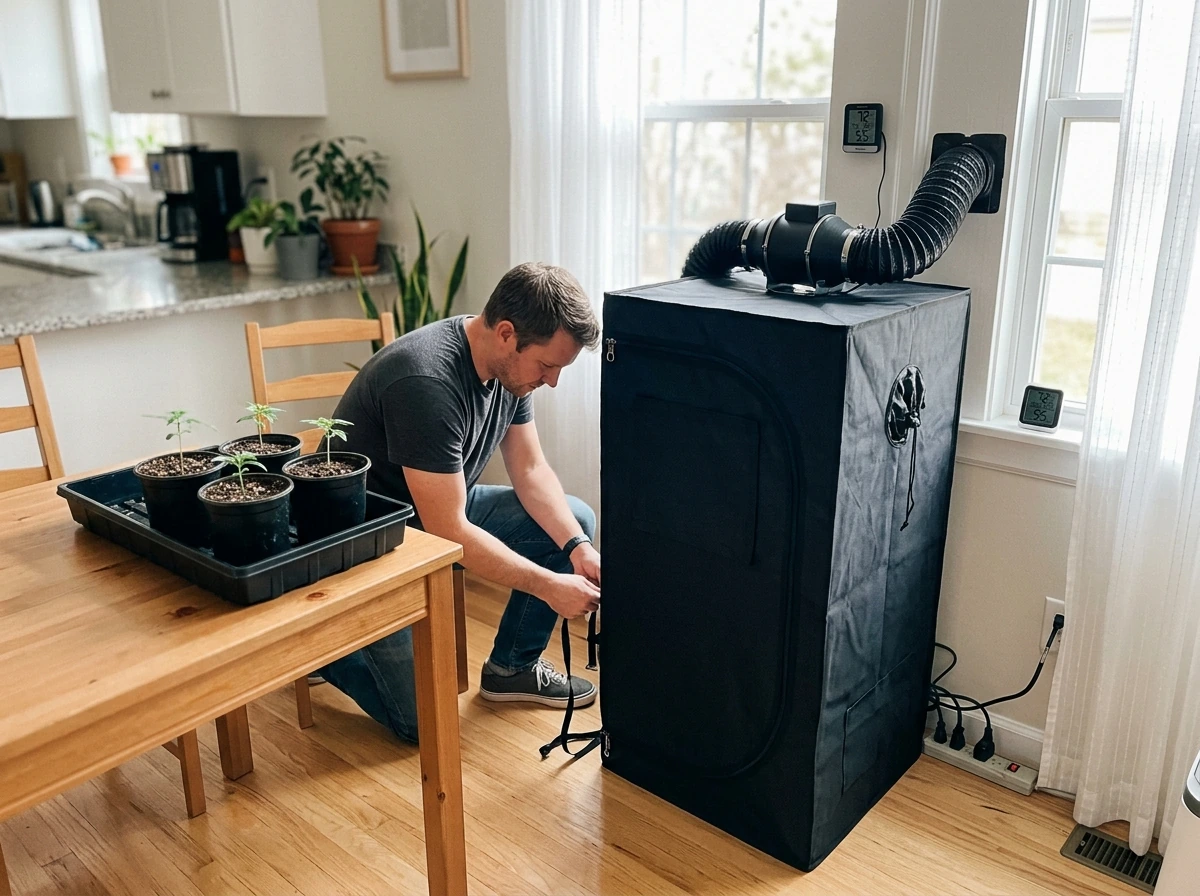
Does a medical card automatically allow home cannabis cultivation?
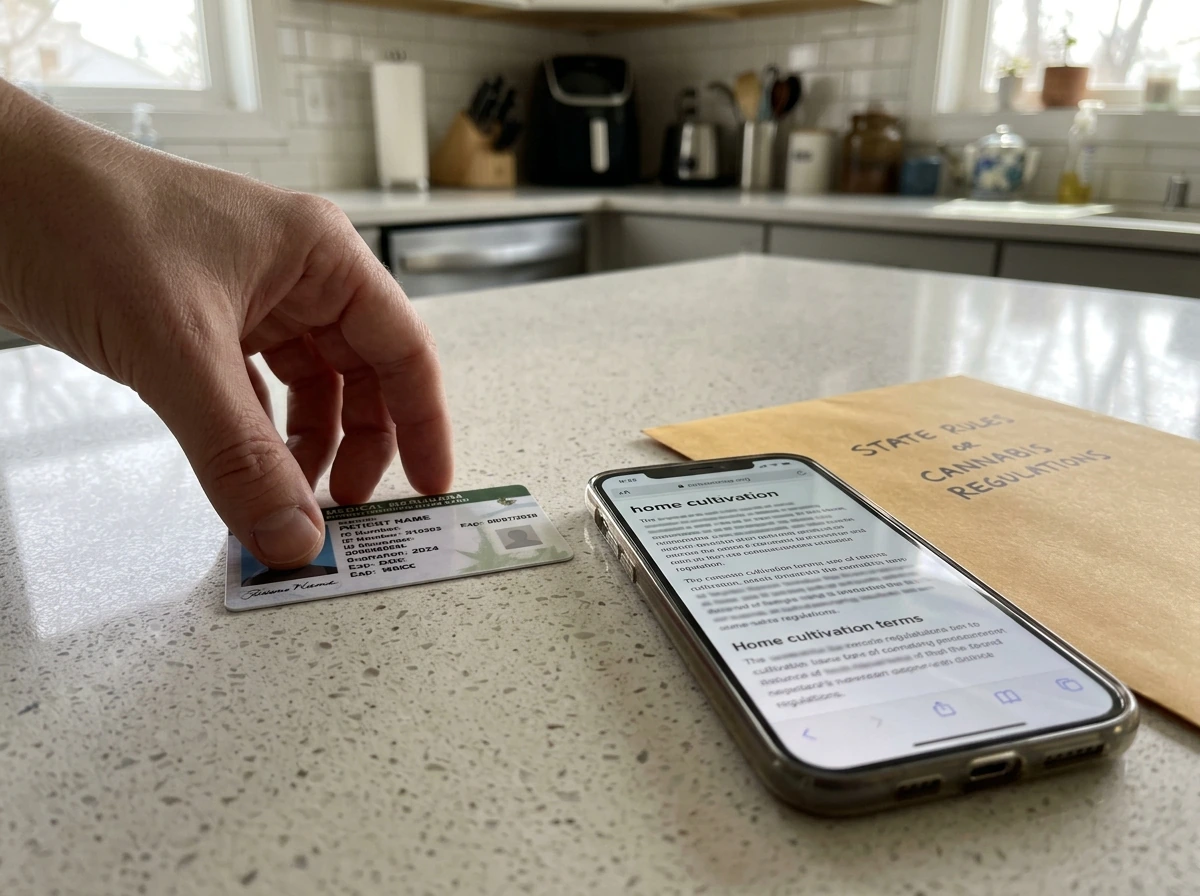
No, it does not. A medical cannabis card is a state-issued document that confirms you are a qualified patient in that state's program. It protects you under state law from criminal penalties for possessing and using cannabis within the program's limits. It does not, on its own, create a cultivation right.
Each state legislature or regulatory body decides separately whether home cultivation is included in the patient privilege. Some states wrote it in from the start. Others deliberately left it out. New Jersey, for example, is explicit on this point: the Cannabis Regulatory Commission has stated that current law does not authorize it to permit or regulate home cultivation for medicinal cannabis patients. Pennsylvania similarly prohibits home grows despite having an active medical program. So if you live in one of those states, your card gives you dispensary access, not a garden.
There is also a federal dimension worth understanding. Under the federal Controlled Substances Act, cannabis remains a Schedule I controlled substance. That means cultivation is technically illegal at the federal level regardless of your state card. The Department of Justice issued guidance in 2009 noting that federal enforcement resources should generally not focus on individuals clearly complying with state medical marijuana laws, but this is prosecutorial discretion, not a legal defense. Your state card does not remove the underlying federal conflict. For most home growers operating within strict state limits, this has been a low practical risk, but it is worth knowing before you start.
State-by-state rule patterns to look for
Rather than memorizing rules for all 50 states, it helps to understand the four patterns that most state programs fall into. Once you know which pattern your state follows, you know what to look for.
- Cultivation allowed as part of the standard patient card: Some states include a home-grow right in the base patient registration. Oregon allows up to four plants on a property under its recreational framework, and medical patients in states like Illinois (with a five-plant limit under the Compassionate Use program) have had similar provisions.
- Cultivation allowed but requires a separate certificate or registration: States like Rhode Island and New York require patients or caregivers to obtain a specific home-grow certificate or register with the state program before cultivating. Having the patient card is a prerequisite, but it is not enough on its own.
- Cultivation allowed only for caregivers or under narrow conditions: Some states restrict home grows to designated caregivers rather than patients themselves, or only allow cultivation when a patient cannot access a dispensary. New York, for instance, requires designated caregivers to be registered with the Office of Cannabis Management and ties cultivation rights to specific patient scenarios.
- Cultivation banned for medical patients: States like New Jersey and Pennsylvania do not authorize any form of patient home cultivation. The card gives you purchasing and possession rights only.
Missouri is a useful example of a more detailed program. The Department of Health and Senior Services has a dedicated cultivation authorization process where patients or caregivers can apply for cultivation authority. Missouri breaks plant counts into categories: flowering plants, non-flowering plants 14 inches or taller, and non-flowering plants under 14 inches. That kind of specificity is common in states that allow grows, so do not expect a single simple number.
Eligibility: patient vs caregiver vs household member
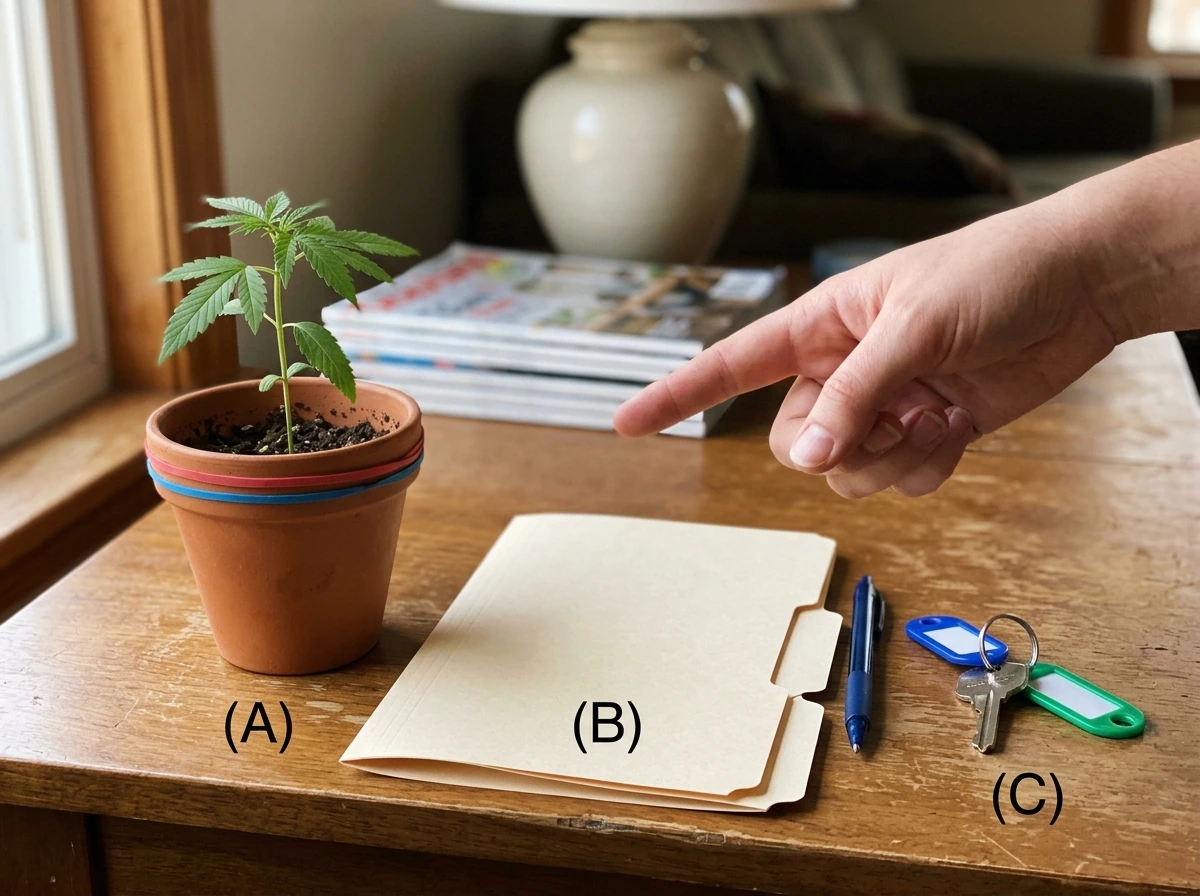
Even in states that allow home cultivation, not everyone associated with a patient's card can legally grow. The three categories that come up most often are the patient themselves, the designated primary caregiver, and household members. Each can have a different status depending on the state.
A qualifying patient is the person named on the medical card. In states that permit cultivation, the patient is usually the primary rights holder. However, some patients, such as minors or people with debilitating conditions who cannot manage a garden, may transfer their cultivation rights to a caregiver.
A designated primary caregiver is a registered adult who assists the patient. In New York, designated caregivers must be separately registered with the Office of Cannabis Management. Caregivers may exercise cultivation rights on behalf of patients who are under 21 or otherwise unable to cultivate. The caregiver role is not automatic; it requires its own registration step.
Household members who are not registered caregivers typically have no cultivation rights, even if they live with the patient. This matters if you are a patient and your spouse or roommate wants to manage the plants. Unless they are formally registered as a caregiver, their involvement could create compliance problems. Check your state's program definition of who counts as an authorized person before involving anyone else in your grow.
Limits and requirements: plant counts, locations, and security
If your state allows home cultivation, it will almost certainly attach specific conditions. The three most common areas are how many plants you can have, where they must be kept, and how the space must be secured.
Plant count limits
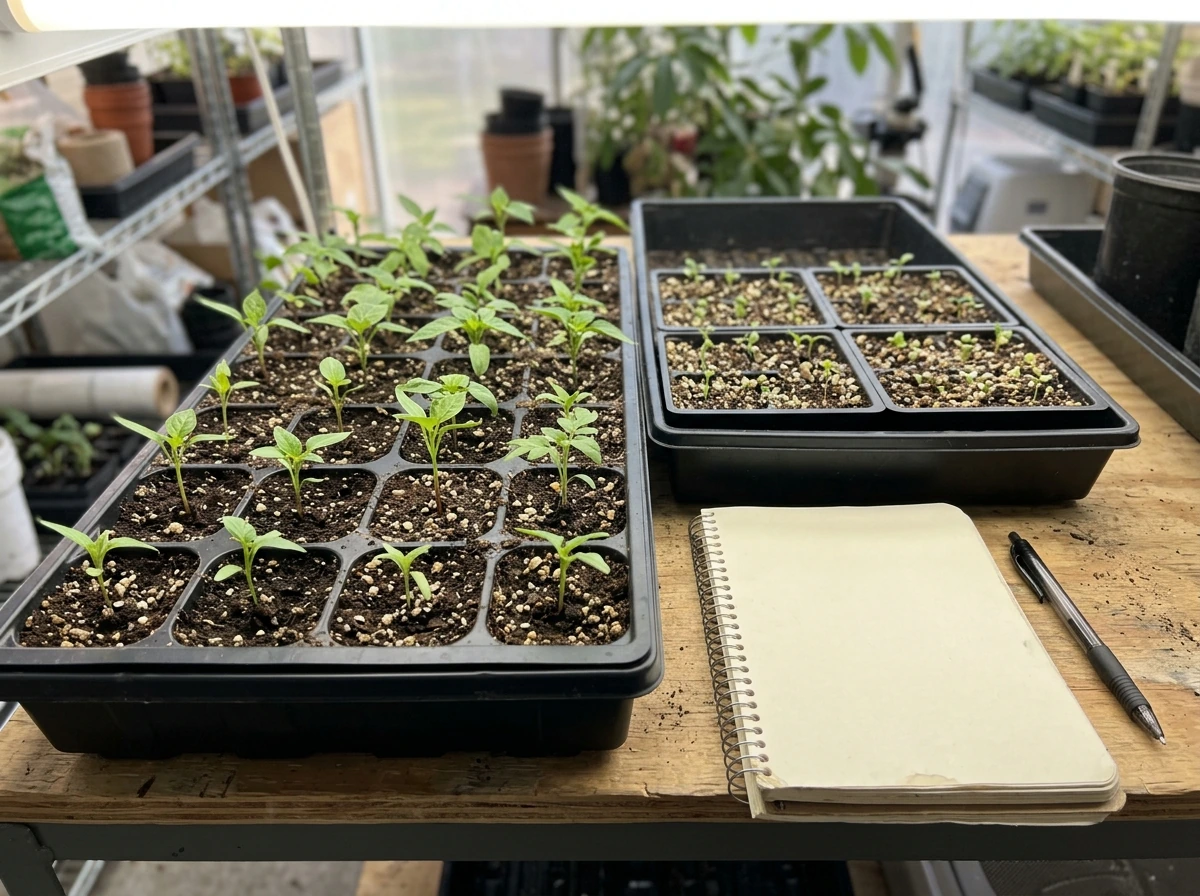
Plant counts vary significantly by state and often distinguish between mature (flowering) and immature (vegetative or seedling) plants. Illinois allows up to five plants for medical patients. Missouri separates counts by size and flowering status. Colorado has its own structure separating mature from non-mature plants. Do not assume you know the number without checking your specific state's current rules, as these limits can and do change.
Location rules
Most states require cultivation to happen inside a private residence, not in a shed on a commercial lot or at a friend's house. Maine's law specifies an enclosed cultivation area. Missouri requires an enclosed, locked facility and even addresses the process for relocating that facility if you move. New York regulations require plants to be stored in a secure location within a private residence. Growing outdoors in a visible space is almost always prohibited.
Security requirements
Security rules exist in virtually every state that permits home grows. The consistent themes are: the space must be locked, access must be restricted to authorized persons, and plants must not be visible or accessible to anyone under 21. Rhode Island's rules specifically require locks and security devices to limit access, including access by minors. New York regulations require reasonable measures to ensure plants are not readily accessible to anyone under 21. Maine requires locks or equivalent security devices. Some states, like Maine and Rhode Island, also require plant tags or labels with identifying information, so your plants need to be traceable.
Do you need additional registration or a separate grow license?
In some states, yes. This is one of the most important things to check before you plant anything. In some states, yes. This is one of the most important things to check before you plant anything. In some states, yes. This is one of the most important things to check before you plant anything. In some states, yes. This is one of the most important things to check before you plant anything. Having a patient card is not always enough.. can you grow weed legally uk. is it legal to grow a weed plant at home can you grow weed legally uk. is it legal to grow cannabis in amsterdam
Rhode Island has a dedicated medical cannabis home-grow certificate program. You apply separately for this certificate, and the Cannabis Control Center can verify compliance. If you have not obtained or renewed your home-grow certificate, you are not covered, even if your patient card is current.
New York requires that patients and caregivers who want to cultivate be registered with the Office of Cannabis Management. The OCM publishes a Medical Home Cultivation Guide specifically for this purpose. The cultivation right became available effective October 5, 2022, under 9 NYCRR Part 115, but only for certified patients and registered caregivers who have gone through the OCM process.
Missouri goes a step further with a cultivation identification card system. Patients and caregivers apply through the DHSS for cultivation authority, and the cultivation identification card is a separate credential from the standard patient card. Without it, you are not authorized to grow even as a registered patient.
The general rule of thumb: if your state's program page has a separate section for home cultivation or cultivation authorization, that is a strong signal you need something beyond your patient card. Never assume the card covers it all.
How states compare on key home-grow rules
| State | Home Grow Allowed? | Separate Registration Required? | Plant Limit (approx.) | Key Security Requirement |
|---|---|---|---|---|
| New York | Yes (patients/caregivers) | Yes, OCM registration + Medical Home Cultivation Guide | Varies by patient circumstances | Secure location, not accessible to under-21s |
| Rhode Island | Yes | Yes, home-grow certificate | Set by program rules | Locks and security devices, plant tags |
| Missouri | Yes | Yes, cultivation ID card via DHSS | Categories by size and flowering status | Enclosed, locked facility |
| Maine | Yes | Not a separate certificate, but plant tagging required | Set by state rules | Enclosed, locked cultivation area, plant labels |
| Illinois | Yes (medical patients) | No separate license cited | Up to 5 plants | Must comply with Compassionate Use Act conditions |
| Colorado | Yes | Check current statutes for caregiver rules | Limits by mature vs. non-mature | Residential property, locked space |
| Oregon | Yes (recreational framework applies) | No (under recreational rules) | Up to 4 plants per property | Out of public view |
| New Jersey | No | N/A | N/A | N/A |
| Pennsylvania | No | N/A | N/A | N/A |
| Utah | Check current statutes | Check DHSS caregiver card process | Not confirmed as of current rules | N/A |
This table reflects program rules as of early 2026. State cannabis laws change frequently. Always verify current limits directly with your state program before starting a grow.
How to find your exact state rules quickly (today)
The fastest reliable path is going directly to your state's official medical cannabis program website, not a third-party summary or a Reddit thread. Here is how to do it efficiently.
- Search for '[your state] medical cannabis program official site' and navigate to the state agency page (usually a Department of Health or equivalent).
- Look for a 'Patient Resources,' 'Home Cultivation,' or 'Cultivation Authorization' section specifically. If one exists, your state likely allows it in some form.
- Download or read the current administrative rules or regulations, not just the FAQ. FAQs are helpful but are sometimes outdated. The actual regulation (like New York's 9 NYCRR Part 115 or Rhode Island's 560-RICR-10-15-1) is the authoritative source.
- Check the application or registration section to see if a separate form, fee, or certification is required beyond your patient card.
- Look for plant count tables or charts, which many states provide in the cultivation section. Note whether the state distinguishes mature from immature plants.
- If you cannot find a cultivation section at all, search the site for 'home grow,' 'cultivation,' or 'homegrow certificate.' Absence of a section often signals that home grows are not permitted.
- Call or email the state program directly if the information is unclear or contradictory. Most programs have a patient services line and can confirm whether cultivation is authorized and what steps you need to take.
You can also use a state-by-state regulatory reference like this site to get a quick orientation on whether your state allows cultivation and what license or registration category applies, then go to the official source to confirm the current details. This is also worth doing if you are researching whether it is legal to grow weed more broadly or trying to understand what license requirements exist for home grows across different states. is it legal to grow weed
Compliance checklist and common edge cases
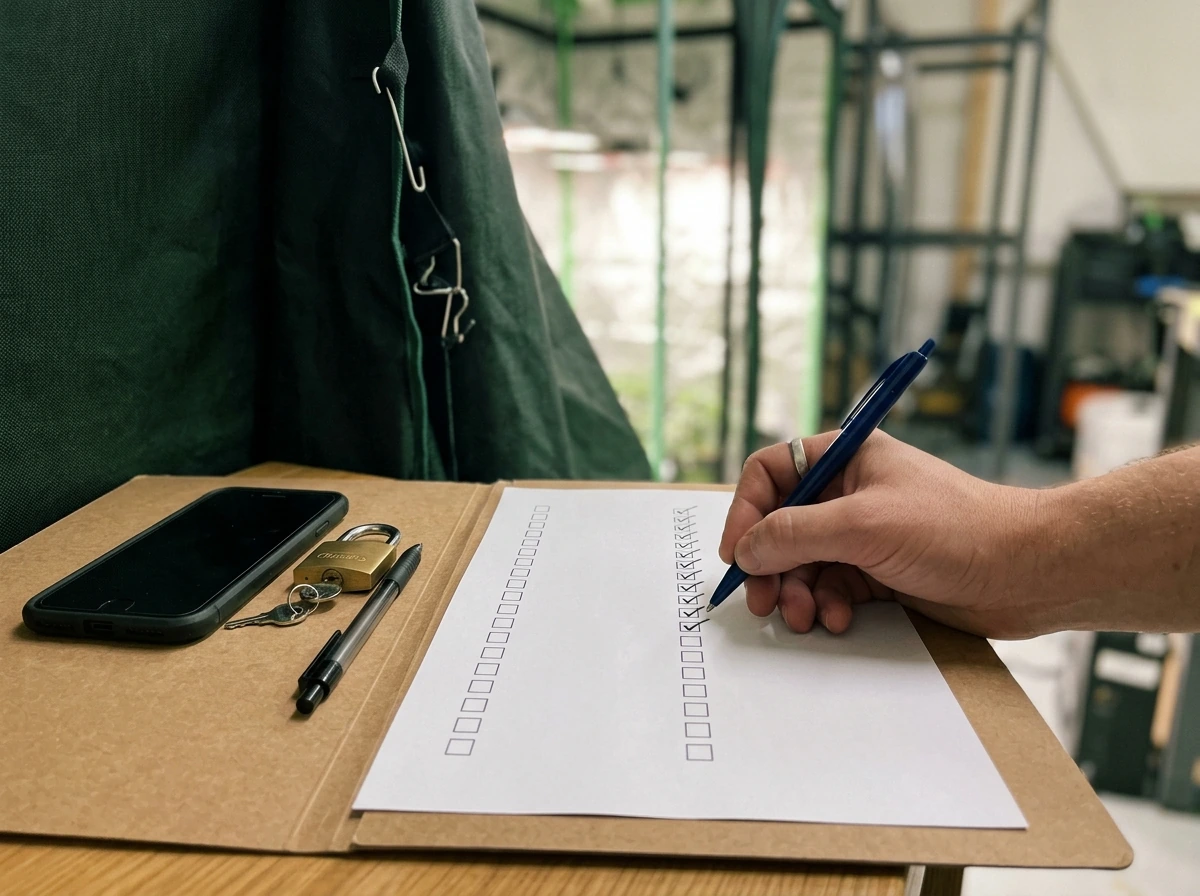
Before starting a home grow as a medical cannabis patient, go through this checklist. It covers the things people most commonly overlook.
- Confirm your state explicitly authorizes medical patient home cultivation in current law or regulation (not just an older news article or forum post).
- Check whether you need a separate home-grow certificate, cultivation ID card, or OCM/state program registration beyond your patient card.
- Verify your patient card is current and not expired. Cultivation authority tied to an expired card is not valid cultivation authority.
- Confirm you qualify as the cultivating party (patient vs. caregiver) and that the person managing the plants is properly registered.
- Know your exact plant limits, broken down by mature and immature plants if your state distinguishes them.
- Set up an enclosed, locked grow space before you start. Do not wait until you have plants to sort out the security setup.
- Find out if your state requires plant tags or labels and order or print them before planting.
- Check whether your landlord's lease or your HOA rules prohibit cannabis cultivation. State law may allow it, but private agreements can still restrict it.
- If you are in a state with both medical and recreational programs, check which framework governs your grow and whether the rules differ.
Out-of-state cards and reciprocity
If you are a patient from another state, your home state's card does not travel with cultivation rights. Missouri, for example, is explicit that out-of-state card holders must go through Missouri's qualifying-patient cultivation framework and obtain the appropriate Missouri cultivation identification card to grow legally in that state. Most states do not extend home cultivation rights to visiting patients even if they recognize the out-of-state card for purchase purposes. Do not assume reciprocity covers growing.
Card renewal and lapsed registrations
If your patient card or your separate cultivation certificate lapses, your legal protection lapses with it. Rhode Island's rules specifically address what happens if a home-grow certificate has not been renewed, and the answer is not favorable. Set reminders well before your card and any cultivation credentials expire, not on the expiration date itself, because processing times can leave you in a gap.
Transferring growing rights
If a patient wants a caregiver to take over cultivation, that transfer needs to happen through the state's formal process. Informally handing off the grow to a family member or roommate without updating your state registration is a compliance problem even if everyone involved has good intentions. The caregiver must be registered and the cultivation authorization must name them before they legally touch the plants.
The bottom line here: a medical card is a starting point, not a complete answer. Whether you can grow, how much you can grow, who can manage the plants, and what registration you need are all separate questions that your state's official program rules will answer. Take the time to look those up directly and keep your credentials current. That is the practical way to stay legal.
FAQ
Does having a medical card alone automatically cover home cultivation in my state?
Usually not. Even when a medical card covers purchase, many states require a separate home cultivation authorization (certificate, cultivation card, or caregiver registration) before you can germinate or possess seeds. If you start growing and you are missing that additional credential, you can be treated as growing without authorization.
What happens if I move to a different state or change my address, can I still grow?
If you move, you must typically re-check authorization under your new state’s rules. Some states treat cultivation rights as tied to residency and specific registration documents, so keeping plants at a new address or starting a grow before updating registration can put you out of compliance.
How do I correctly count plants if my state has different rules for flowering and seedlings?
Plant limits and allowed plant types can depend on whether plants are mature versus immature, and on how the state defines “countable” plants (for example, mother plants versus seedlings). Before counting, confirm your state’s exact definitions because some states only count certain stages or only count plants that are in a flowering-capable condition.
If my state allows home grows, can I grow outdoors as long as it’s in my yard or behind a fence?
If your state prohibits outdoor growing, “outdoor” can include semi-outdoor setups like a visible balcony, patio, or yard area. If plants are visible from public areas or accessible to minors, you may be in violation even if the outdoor space is private. Check your state’s visibility and enclosure requirements carefully.
Can other household members or visitors help with the grow if they are not registered caregivers?
Not always, and it depends on how your state defines authorized persons. In many programs, minors living in the household cannot be around accessible plants, and visitors who are not authorized can create a compliance risk. You may need to keep access restricted even for short periods (for example, maintenance or harvesting).
Are clones or seedlings treated the same as mature plants for legal limits and rules?
Seedlings, clones, and mature plants are treated differently in some states. For example, some programs distinguish between non-flowering and flowering plants, and others require specific documentation or labeling for traceability. Don’t assume vegetative plants are counted the same way everywhere.
If I need to move the grow setup inside my home (or to a new room), is that automatically covered by the authorization?
It depends on whether your state requires you to designate the growing location. Some states only allow cultivation at a specific private residence address and may require notification or authorization if you relocate the grow space. If you move plants to a new location without updating the required paperwork, it can count as unauthorized cultivation.
Can I travel with any cannabis plants or supplies from my home grow?
If you’re traveling, common issues are transporting plants or carrying paraphernalia, which can be illegal even where home cultivation is allowed. Many states focus protections on the authorized growing location, so moving plants outside that boundary can trigger legal exposure.
If my home-grow certificate or cultivation authorization expires before it’s renewed, what should I do with existing plants?
If your cultivation credential lapses, most states treat you as not authorized at that point. Even if you still have a patient card, you may be required to stop cultivation and secure or remove plants according to state guidance. Waiting until after expiration can create a gap you should plan around (processing delays are common).
Can I switch who is allowed to grow (patient to caregiver, or caregiver to another person) without re-registering?
Yes, you often need a specific registration workflow, even if you and the caregiver are already family or already registered for medical access. Many states require the caregiver to be formally registered and named in the cultivation authorization, and informal transfers can be treated as unauthorized handling.
Is It Legal to Grow Weed in Your State? Rules, Limits, and Licenses
Is it legal to grow weed where you live? State rules for hemp vs marijuana, home limits, licenses, and compliance steps.