No, you cannot grow cannabis legally in the UK as a private individual for personal use. There is no home-grow allowance, no medical exemption for patients or carers, and no loophole based on THC levels. The only legal routes to cultivate cannabis in the UK require a Home Office licence, and those licences are issued for specific commercial or research purposes, not personal use. That is the short answer. If you want to understand whether any route applies to your situation, keep reading.
Can You Grow Weed Legally in the UK? Legal Paths

Marcus Whitley
24 Mar 2026
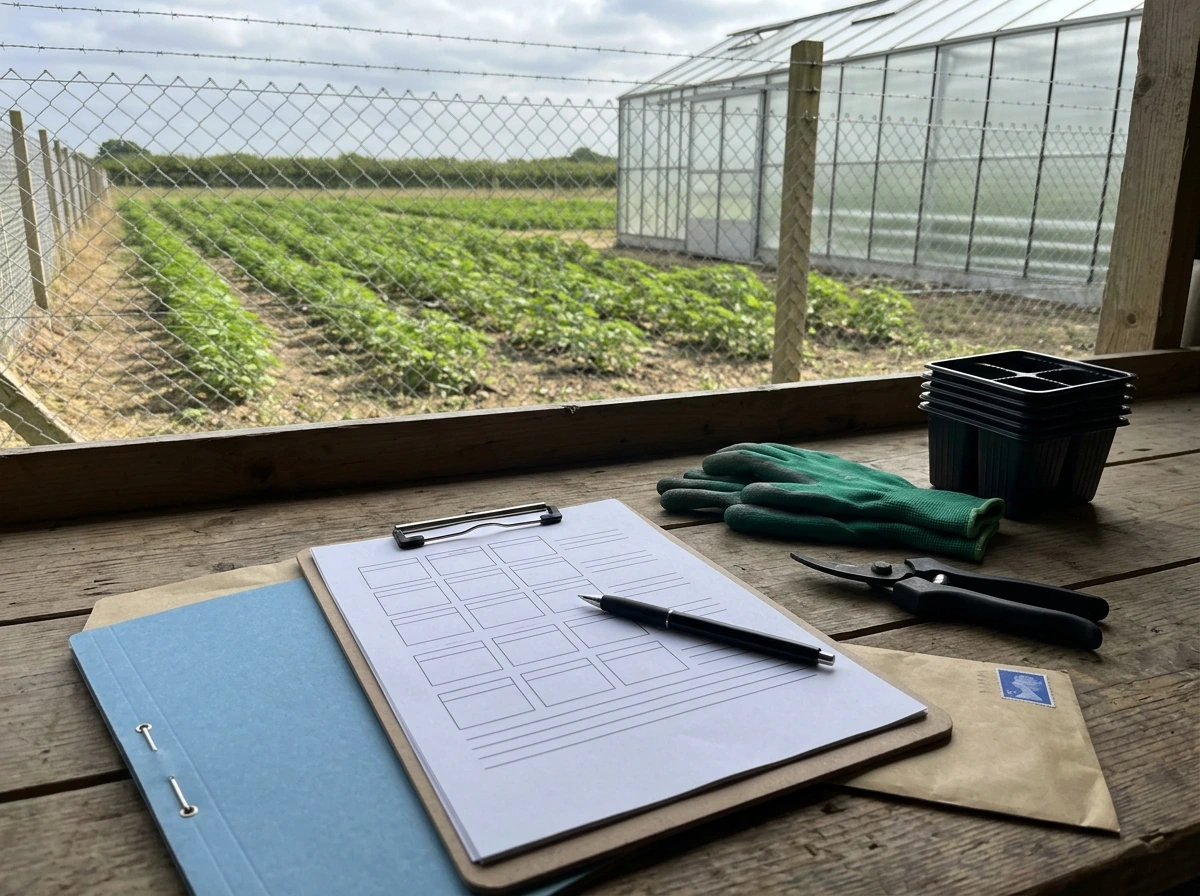
This article covers general regulatory information about UK cannabis cultivation law. It is not legal advice. Always check GOV.UK and consult a qualified legal professional to confirm rules that apply to your specific circumstances.
The UK legal baseline: what's legal and what isn't
Cannabis is a Class B controlled drug under the Misuse of Drugs Act 1971. Section 6 of that Act makes it a criminal offence to cultivate cannabis plants in the UK, regardless of the THC content of the plant. That last part matters: even a low-THC plant is still legally a cannabis plant under the Act, and growing it without a licence is still an offence.
The Home Office is explicit on this point in its published guidance: cultivation or possession of cannabis plants cannot lawfully be undertaken without the requisite Home Office licence. There is no grey area here based on how many plants you have, what strain you are growing, or what you intend to do with the harvest. Without a licence, growing is illegal, full stop.
Getting caught growing cannabis without a licence can result in prosecution under the Misuse of Drugs Act. Penalties can include an unlimited fine and up to 14 years in prison for production offences. That risk applies whether you grow one plant in a windowsill pot or a full indoor setup.
The only legal routes to grow cannabis in the UK
There are two separate licensing regimes under which cannabis cultivation can be authorised in the UK, both administered by the Home Office. Neither is available to ordinary members of the public growing for personal use.
Route 1: Industrial hemp licence (low-THC cultivation)
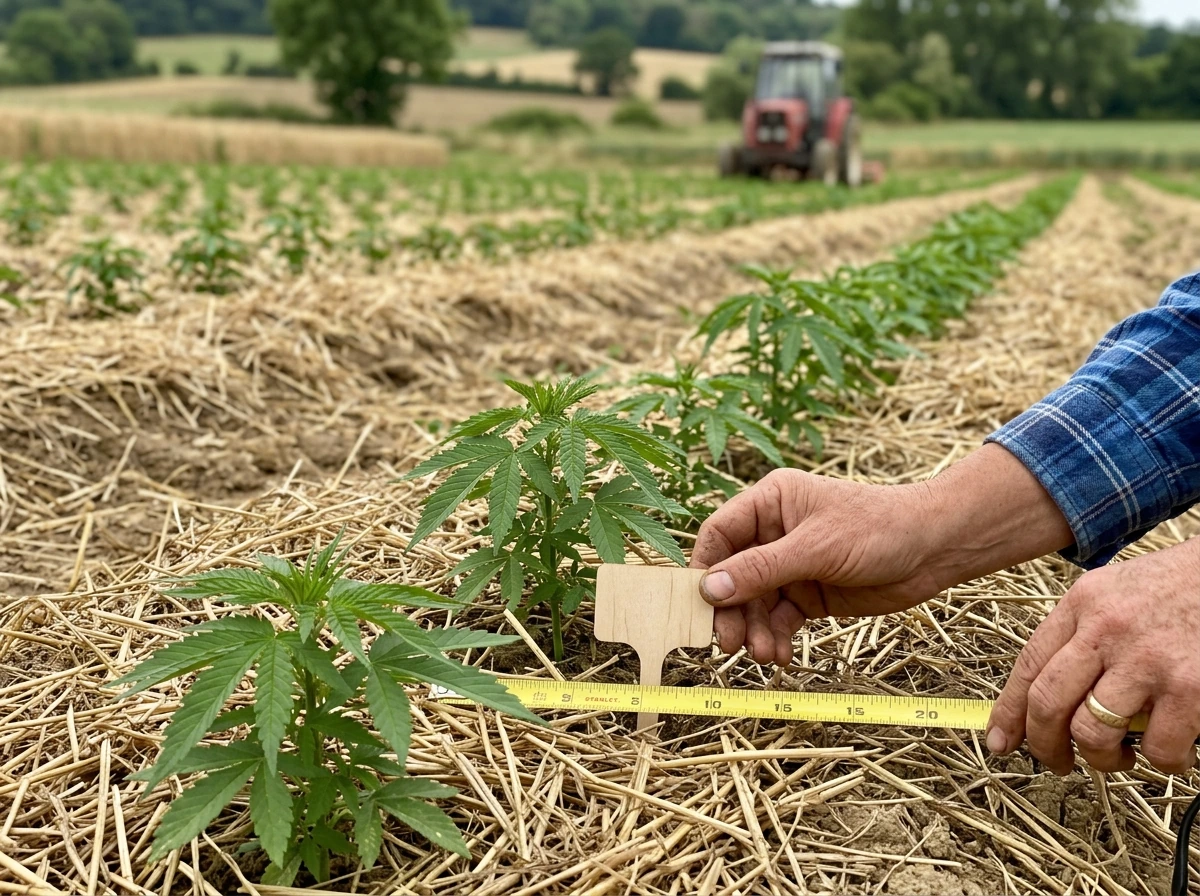
This route is for farmers and agricultural businesses who want to grow low-THC cannabis varieties (commonly called industrial hemp) for fibre, seed, or similar non-drug purposes. It is the more accessible of the two routes in terms of fees, but it comes with strict limits on what you can do with the plant.
Under the industrial hemp policy, you can grow approved low-THC varieties and use the non-controlled parts of the plant, primarily the stalk and seed. The flowers and leaves are considered controlled materials under this regime, and you are not permitted to use, supply, or process them. This is one of the most common misconceptions: people assume that because hemp is low-THC, the whole plant is fair game. It is not. If you want to use or process the flowers or leaves, even from a low-THC variety, you need the standard controlled drug cultivation licence instead.
Route 2: Controlled drug cannabis cultivation licence
This licence, issued under the Misuse of Drugs Regulations 2001, covers cultivation of cannabis where the end use involves controlled parts of the plant or higher-THC varieties. This is the route used by pharmaceutical companies, licensed cannabis producers for medical products, and research institutions. It is considerably more demanding in terms of application requirements, fees, security obligations, and ongoing compliance. It is not a route designed for, or realistically accessible to, individuals growing at home.
Who can actually apply?
Both routes are aimed at businesses, researchers, and organisations with a legitimate commercial or scientific purpose. If you are a farmer looking to grow hemp for fibre or seed, the industrial hemp licence may be relevant to you. If you are a pharmaceutical company or research institution working with cannabis-based products, the controlled drug cultivation licence is the relevant route. Private individuals growing for personal consumption do not qualify for either.
What the licences actually involve

Both licensing regimes are managed through the Home Office's drug licensing function. Applications are submitted online through GOV.UK. The process is not a simple form-fill: the Home Office reviews applications individually and expects applicants to demonstrate that their purpose, premises, and safeguards all meet the required standards.
For the industrial hemp route, the fees are lower than for a standard controlled drug cannabis cultivation licence, reflecting the different risk profile. For the full controlled drug cultivation licence, fees are significantly higher and the scrutiny is more intensive.
One concrete requirement for the industrial hemp application is that applicants must have an enhanced DBS (Disclosure and Barring Service) check completed within the previous three years, obtained through the Security Watchdog service. This is a prerequisite, not something you arrange after submitting your application. If you do not have this in place, your application will not proceed.
For the controlled drug cultivation licence, the Home Office application process includes uploading documentation such as photos of secure storage (safes or pharmaceutical storage rooms), standard operating procedures, and record-keeping systems. Applicants should also expect a physical walkthrough of their premises and processes during the application assessment, where the Home Office will look at how the controlled drug process, security arrangements, and record keeping actually work in practice.
Compliance: what you must do once licenced
Holding a cannabis cultivation licence is not a one-time approval. There are ongoing obligations that licensees must meet throughout the licence period. The main areas are security, record keeping, plant and stock controls, and reporting.
Security
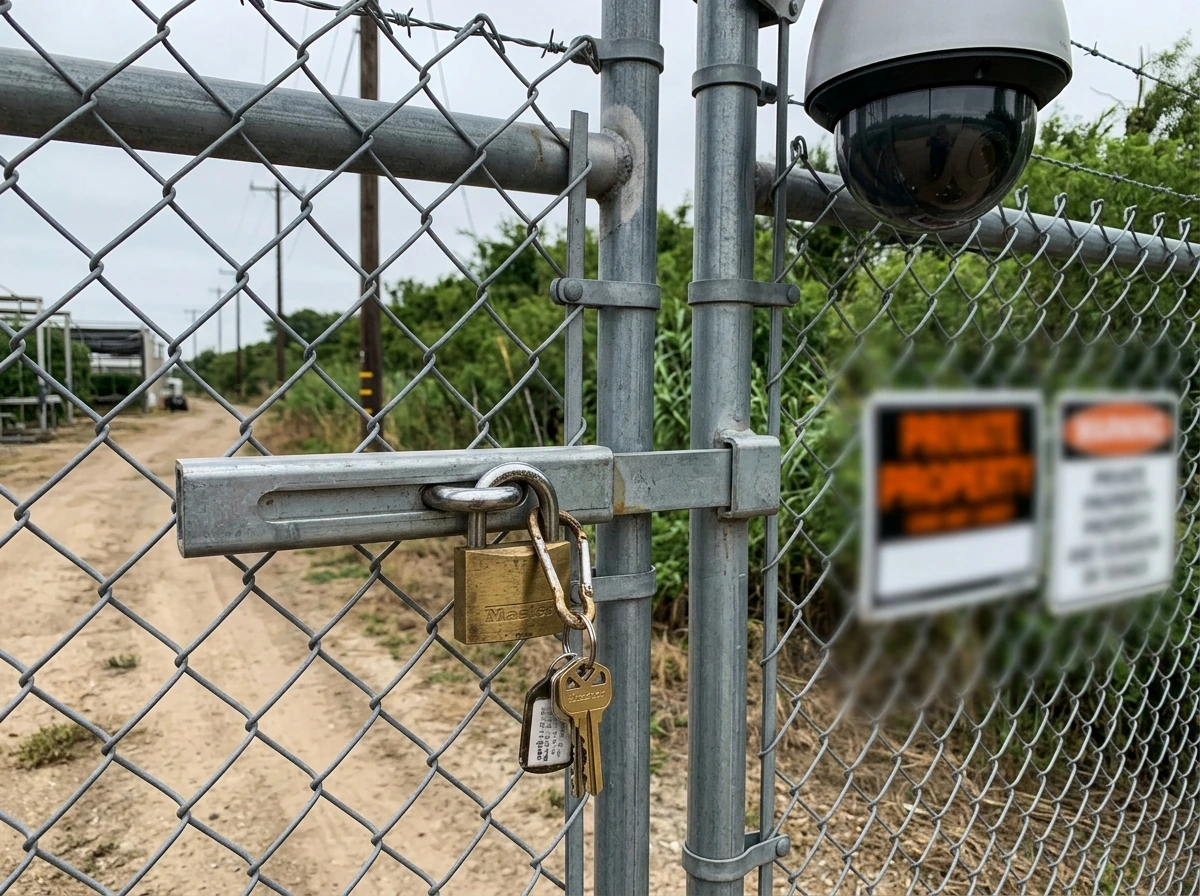
The Home Office publishes specific security guidance for controlled drug licensees, covering physical premises security for anyone authorised to possess, supply, or produce controlled drugs. Licensees are expected to maintain appropriate security measures at their growing and storage sites. This is not optional and is a condition of the licence.
Record keeping
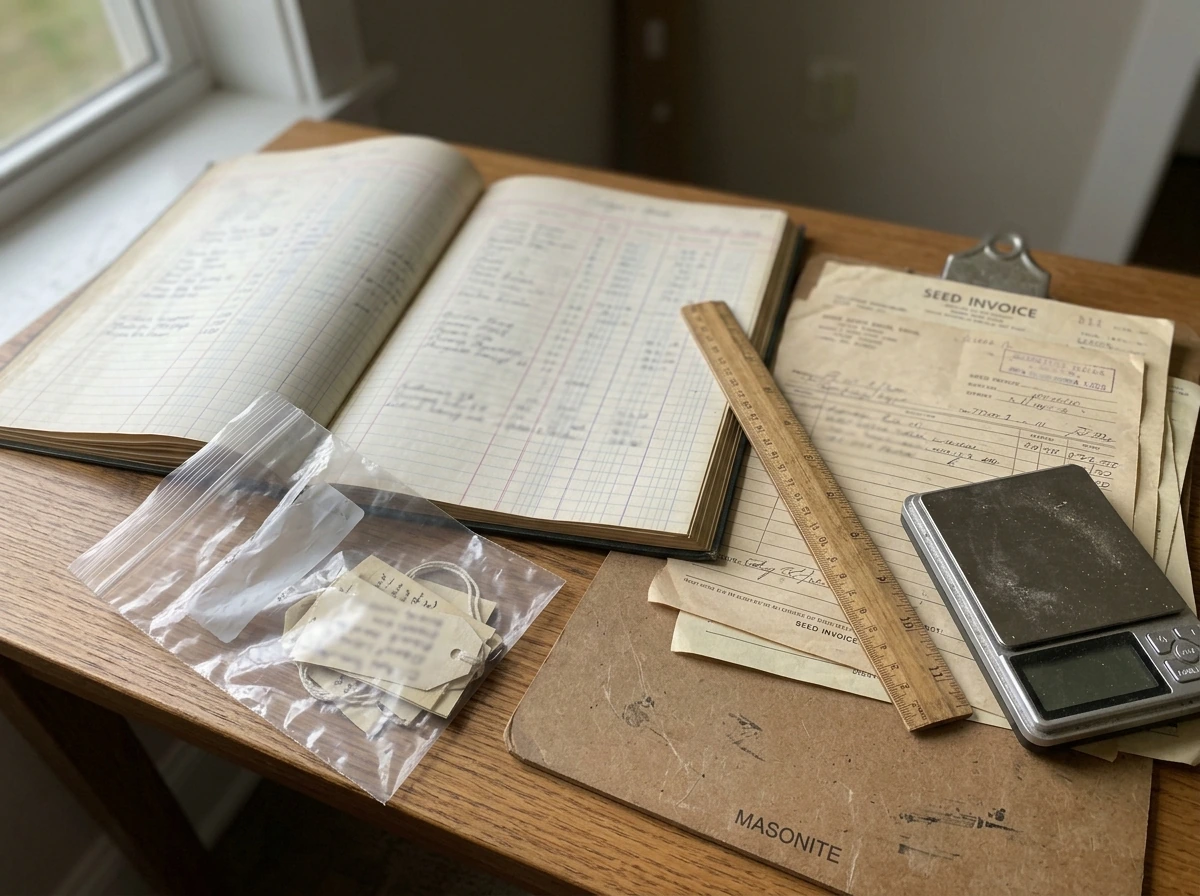
Licensees must keep accurate records of their cultivation activities. For hemp licensees, this includes things like seed invoices and documentation of plant quantities. The Home Office may request photographic evidence of records as part of ongoing compliance checks. For controlled drug cultivation licences, the record-keeping requirements are more detailed and tied to the controlled drug accounting framework.
Reporting losses and discrepancies
If a licensee experiences a theft or an unexplained loss of cannabis material, they are required to report this to the Home Office through the domestic licences contact channel. This is part of the compliance framework and is not discretionary. Failing to report losses is a compliance breach.
Inspections
Licensees should expect regulatory involvement in the form of inspections and walkthroughs. The Home Office can require a demonstration of your growing, storage, and record-keeping setup. This applies during the application process and can continue during the licence period.
Hemp, seeds, medical use, and other edge cases
Several common questions come up repeatedly around UK cannabis cultivation law. Here is a plain-language answer to each.
Can I grow hemp because it has low THC?
Not without a licence. The Misuse of Drugs Act applies to cannabis plants regardless of THC content. Growing hemp without a Home Office industrial hemp licence is still an offence under section 6 of the Act. And even with a licence, you are limited to the non-controlled parts of the plant. You cannot harvest or use the flowers or leaves under the industrial hemp regime.
What about cannabis seeds?
Cannabis seeds are not themselves controlled under the Misuse of Drugs Act 1971 in the same way as the plant, which is why seed banks can operate and sell seeds in the UK. However, germinating those seeds and cultivating the plant is an offence without a licence. Buying seeds is not the same as having permission to grow them.
Does a medical cannabis prescription let you grow your own?
No. Specialist doctors in the UK can prescribe cannabis-based products for medicinal use (CBPMs) listed in schedule 2 of the Misuse of Drugs Regulations 2001 without a separate controlled drugs licence for the prescribing clinician. But this has nothing to do with cultivation. A patient receiving a medical cannabis prescription has no legal authority to grow cannabis plants at home. Neither does a carer. The cultivation licence requirement is entirely separate from the prescription framework. If you have a medical card or prescription, you are not permitted to grow your own as a result of that status. Questions around medical card cultivation rights are genuinely common, so it is worth being clear: the answer is no in the UK.
What if I'm growing for personal use only?
Personal use is not a legal defence to cultivation under the Misuse of Drugs Act. There is no equivalent of the home-grow allowances that exist in some US states or other jurisdictions. Growing one plant for your own use is still an offence in the UK.
Can I import or export cannabis plants or seeds?
Importing and exporting cannabis-related materials is subject to separate controlled drug import/export licensing requirements from the Home Office. This is distinct from cultivation licensing and is a complex area. Do not assume that importing seeds or cuttings is straightforward or legal without the appropriate authority in place.
Hemp vs. cannabis: a quick comparison
| Factor | Industrial Hemp Licence | Controlled Drug Cannabis Licence |
|---|---|---|
| Governing regime | Home Office industrial hemp policy | Misuse of Drugs Regulations 2001 (Reg. 12) |
| THC level of plants | Low-THC approved varieties | Any, including higher-THC varieties |
| Plant parts permitted | Stalk and seed (non-controlled parts only) | Controlled parts (flower, leaf) permitted |
| Typical applicants | Farmers, agricultural businesses | Pharmaceutical companies, licensed producers, researchers |
| Application fees | Lower (Home Office fee schedule) | Higher (Home Office fee schedule) |
| DBS check required | Yes, enhanced DBS within 3 years | Yes, as part of broader security vetting |
| Personal use allowed | No | No |
Practical next steps if you think you might qualify
If you are a farmer, business, or researcher and you genuinely think one of these licensing routes might apply to your situation, here is how to move forward today.
- Read the GOV.UK cannabis and CBD licensing factsheet first. It explains both licensing regimes in plain language and will help you identify which route (if either) applies to your intended activity.
- Check the industrial hemp licensing hub on GOV.UK if your interest is in low-THC cultivation for fibre or seed. This hub includes the factsheet, application guidance, and fee information in one place.
- If you intend to use or process the flowers or leaves of any cannabis plant (even a low-THC variety), you need the controlled drug cannabis cultivation licence, not the hemp licence. Read the GOV.UK controlled drugs: domestic licences guidance to understand the requirements for that route.
- Check whether you have an enhanced DBS check completed within the last three years via the Security Watchdog service. This is a hard prerequisite for the hemp licence application and likely required for the controlled drug route too. If you do not have one, arrange it before applying.
- Review the GOV.UK domestic controlled substance application and case processing guidance. This tells you what documents to prepare (including photos of secure storage, standard operating procedures, and record-keeping evidence) and what to expect during the assessment process.
- Consult a solicitor with experience in UK drug licensing or regulated industries before submitting an application. The Home Office assesses applications individually and the process has legal dimensions that go beyond what any guide can cover.
- Submit your application through the GOV.UK controlled drugs domestic licences portal once you have confirmed eligibility, assembled your documentation, and received legal advice.
If you are a private individual searching this question because you want to [grow a weed plant at home for personal use](/home-grow-legalities/is-it-legal-to-grow-cannabis-in-amsterdam), the honest answer is that there is no legal route available to you in the UK today. The law is clear, the penalties are serious, and there is currently no home-grow framework in place the way there is in some US states. The regulatory landscape could change in future, but as of March 2026, it has not.
For anyone researching the broader picture of cannabis grow licensing across different countries and jurisdictions, the rules in the UK are notably stricter than in many US states where licensed home cultivation is permitted for adults. Understanding that contrast can be useful if you are comparing frameworks or considering where a licensed grow operation might be viable.
Always verify current rules directly on GOV.UK before making any decisions. Home Office licensing policy and fee structures can change, and this article reflects the regulatory position as of the date of publication, not a live legal update.
FAQ
If I grow only a small number of plants for personal use, can I avoid prosecution in the UK?
If you do not hold the relevant Home Office cultivation licence, any attempt to cultivate cannabis plants in the UK is illegal, even if you only intend to keep the harvest for yourself. The number of plants, the strain name, and the claimed end use do not create a defence.
What am I allowed to do with the plant under an industrial hemp licence, can I use the flowers or leaves?
Industrial hemp licences restrict what you can do with the plant. Under this regime, you are generally limited to non-controlled parts such as stalk and seed, and flowers and leaves remain controlled, meaning you cannot legally process or use them even if the variety is low-THC.
Does having a prescription for medical cannabis legally let me grow at home?
A medical prescription for cannabis-based products does not give you legal authority to cultivate cannabis plants at home. Even if you are a patient, you would still need the appropriate Home Office cultivation licence to grow plants, and none is available for private individuals under the current framework.
Are cannabis seeds legal to buy and grow in the UK?
No. Buying cannabis seeds is not the same as having permission to cultivate. Germinating seeds and growing the resulting plants is still cultivation of cannabis plants for which a Home Office licence is required.
If I apply for an industrial hemp licence but later change my plan to harvest for drug use, what happens legally?
Replacing or changing plant material after you decide the purpose, for example starting as hemp then later trying to harvest controlled parts, does not remove your licensing requirements. You would still be in breach if your actions involve controlled materials outside what your licence authorises.
Do I need an enhanced DBS check before applying for an industrial hemp licence, or can I do it after I submit?
The enhanced DBS check for the industrial hemp route is a prerequisite that must be completed within the specified timeframe before the application can progress. You should arrange this before submitting, because a missing or out-of-date check can stop the application from being considered.
If I import seeds or cuttings legally, does that automatically mean I can grow them at home?
Cannabis import and export involve separate licensing controls from cultivation. You cannot assume that having (or buying) something that relates to cannabis, such as seeds or cuttings, automatically means you have permission to cultivate it in the UK.
What are the most common reasons Home Office licence applications fail for cultivation?
If you are thinking about applying for a licence, you should expect the Home Office to review your premises and safeguards as they are used in practice, not just on paper. Being unable to demonstrate secure storage, workable procedures, and reliable record keeping can derail an application or compliance.
What should I do if my licensed cannabis stock is stolen or goes missing?
Licence holders must report theft or unexplained loss through the domestic licences channel. Not reporting can be treated as a compliance breach even if you did not personally cause the loss, so reporting should be part of your incident process.
Can I start growing while my licence application is under review?
Possession rules for cannabis plants, parts, and related materials can still apply even if you are waiting for a licence decision. To reduce risk, avoid starting cultivation or keeping plants unless you have the correct authorisation in place.
Next Article
Is It Legal to Grow Cannabis in Amsterdam? Rules
Amsterdam cannabis grow legality: tolerated limits for home plants, licensing for commercial cultivation, and compliance