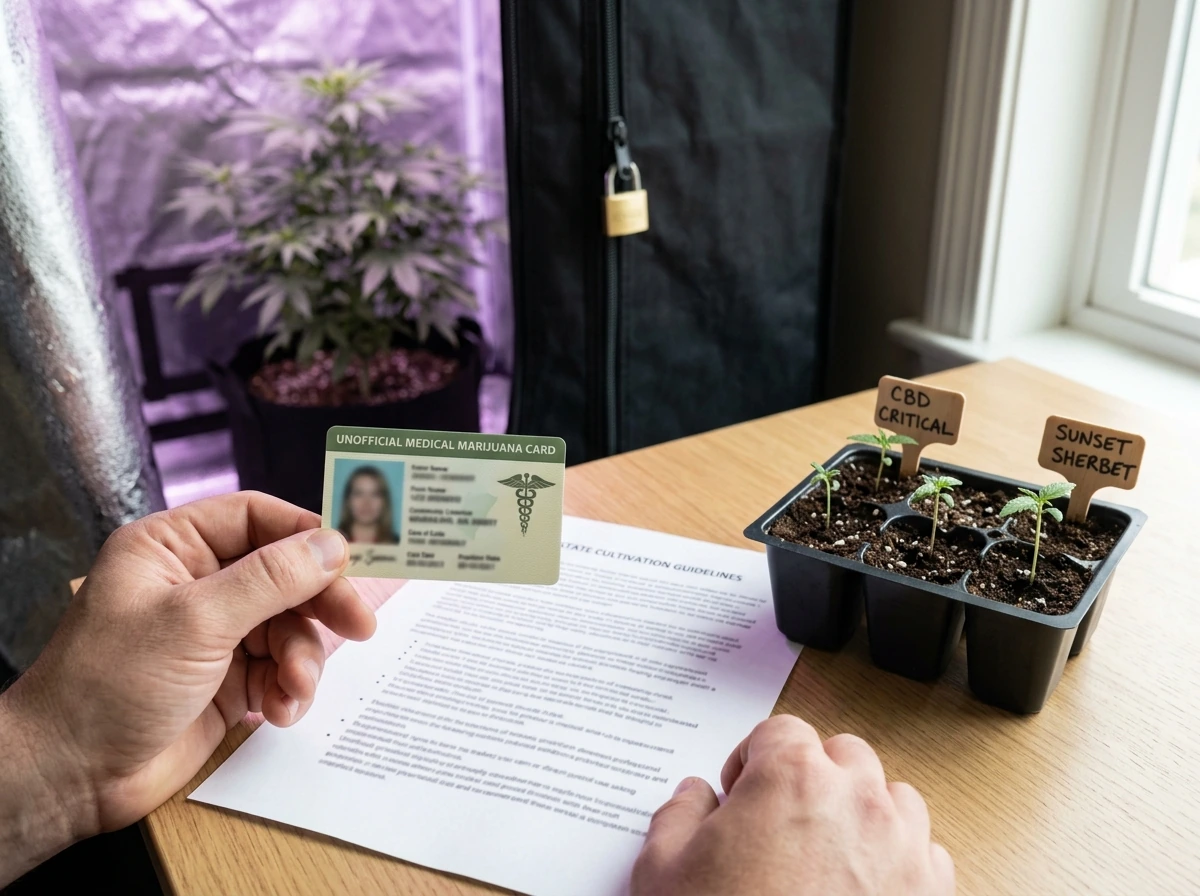
If you're asking how much a grow license costs in Oregon, the short answer is $250 for the application fee, which covers both initial applications and renewals. But before you get too deep into the numbers, there's something critical you need to know first: as of today, the Oregon Liquor and Cannabis Commission (OLCC) is not accepting new applications for adult-use cannabis Producer licenses. That changes the picture significantly depending on what you're trying to do.
How Much Is a Grow License in Oregon Cost and Fees

Marcus Whitley
24 Mar 2026
What an Oregon cannabis grow license actually is
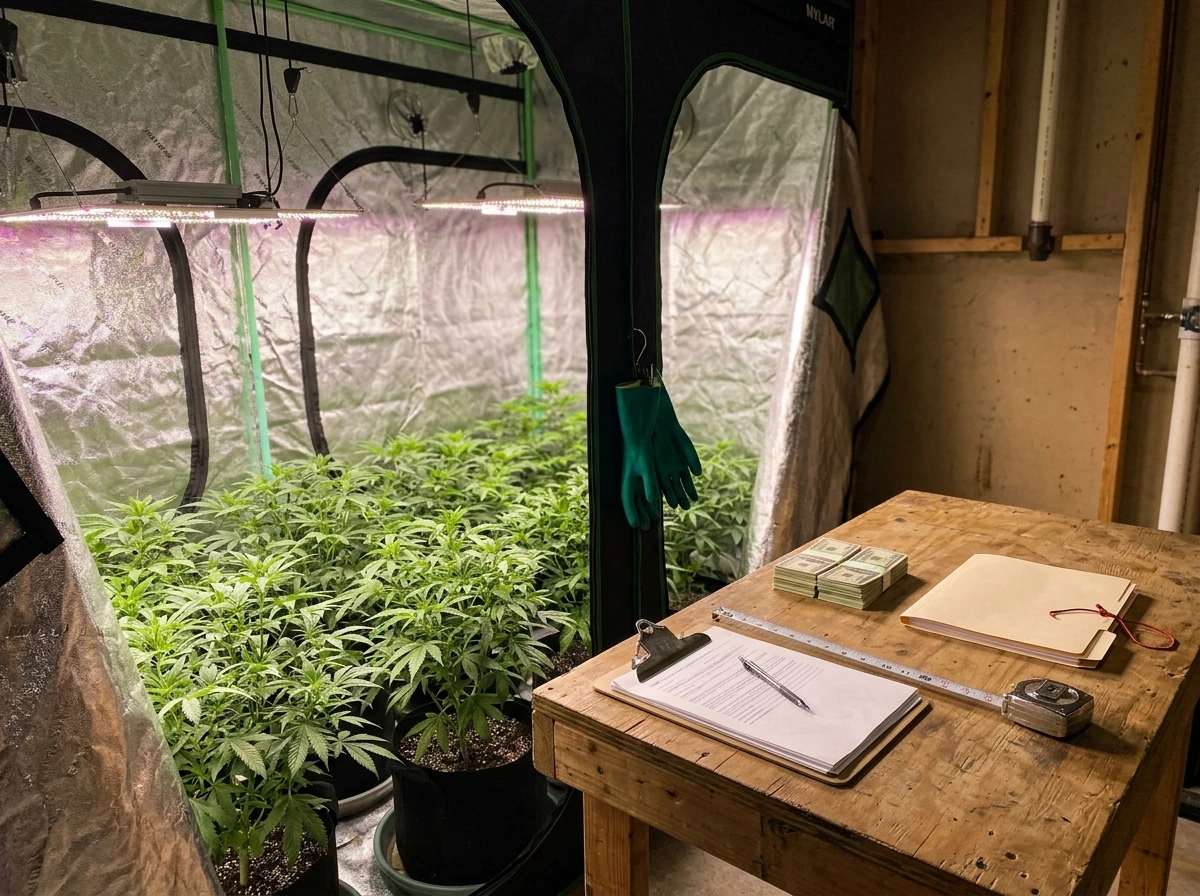
Oregon has two separate licensing systems for cannabis cultivation, and picking the right one matters a lot. The first is the OLCC system, which covers adult-use (recreational) cannabis. Under this system, growers are called "Producers" and are licensed to cultivate cannabis for the legal retail market. The second is the Oregon Health Authority (OHA) system, which covers medical cannabis. Medical growers are called "Registry Identification Cardholders" (patients) or registered grow site participants, and the rules are quite different.
Most people searching for an Oregon commercial grow license are thinking about the OLCC Producer license. That's the one that allows you to run a cannabis cultivation business, sell into the legal supply chain, and operate at scale. If you're a patient growing for your own medical use, that's an OHA matter and involves a different process entirely.
Under the OLCC system, Producer licenses come in different tiers based on canopy size. There's no single "standard" license for all growers. The tier you fall into is determined by how much space you plan to use for cultivation, and each tier has its own fee. More on that below.
What it costs to get an Oregon grow license

The OLCC charges a $250 application fee for both initial license submissions and renewals. This fee is non-refundable, meaning if your application is denied or you withdraw it, you don't get that money back. That's worth knowing before you put anything in.
Background checks are a separate cost. If you submit a criminal background check as part of your initial application or renewal, it's bundled into that process. However, if OLCC requests a background check outside of that context, such as when adding a new individual to an existing license, the fee is $50 per person. Every individual listed on a license application typically needs to go through this process.
For annual license fees (separate from the application fee), OLCC uses a tiered structure based on the type of license and scale of operation. These fees are paid once the license is approved and cover your operating period. The application fee and the license fee are two different charges, so budget for both.
Typical total cost breakdown
| Fee Type | Amount | Notes |
|---|---|---|
| Application fee (initial or renewal) | $250 | Non-refundable |
| Criminal background check (per person, standalone) | $50 | Per individual listed on application |
| Annual license fee (Producer) | Varies by tier/canopy size | Paid upon approval; check current OLCC fee schedule |
| Other compliance costs (zoning, testing, etc.) | Varies | Not paid to OLCC directly |
For most applicants, the out-of-pocket cost to OLCC before you ever open your doors includes the $250 application fee, background check fees for each listed individual, and then the annual license fee once approved. Depending on how many owners, managers, or financial interest holders are on the application, background check costs alone can add up to a few hundred dollars.
Always verify the current fee schedule directly on the OLCC Publications page before you apply. Fees can be updated, and the OLCC site is the only authoritative source for what's current.
The big catch: new OLCC Producer applications are paused
This is the most important thing to understand right now. As of today, the OLCC is not accepting new applications for Producer licenses (or for Processors, Wholesalers, or Retailers). If you're looking for a license to grow medical weed in louisiana, it's handled through a different medical pathway rather than OLCC. license to grow medical weed in louisiana That means if you're trying to start a brand new adult-use cannabis cultivation business in Oregon, you currently cannot submit a new OLCC Producer application. The market is oversaturated, and the state has put new licensing on hold.
This doesn't mean it's impossible to enter the market. Some operators look at acquiring or transferring an existing licensed operation, which is a different process. But if you were planning to apply fresh, you'll need to check the OLCC website for updates on when (or whether) new applications reopen before you spend any time or money on the process.
If your goal is medical cannabis cultivation, the OHA pathway is still a separate route worth exploring. It's not an OLCC matter, and the rules around who can grow, how much, and for whom are structured around patient registration rather than commercial licensing.
How to apply for an Oregon grow license (step by step)

When new applications do reopen, or if you're dealing with a renewal or transfer, here's how the OLCC process works from start to finish.
- Confirm your license type: Determine you need an OLCC Producer license and identify which tier applies to your planned canopy size.
- Check eligibility: Make sure you meet all residency, age (21+), and background requirements before starting the application.
- Create an account on Oregon Licensing: All OLCC cannabis applications are submitted through the Oregon Licensing portal (license.oregon.gov). Set up your account there first.
- Gather your documents: This includes proof of premises (lease, deed, or other documentation), financial disclosures, business entity documents, premises diagram, and identification for all listed individuals.
- Pay the $250 application fee: This is paid at the time of submission and is non-refundable regardless of outcome.
- Submit background checks: All individuals listed on the application must complete a criminal background check through the process OLCC requires.
- OLCC review and inspection: OLCC staff will review your application for completeness, conduct any necessary follow-up, and arrange a premises inspection.
- Respond promptly to any requests: If OLCC asks for additional documents or clarification, respond quickly. Delays on your end extend your timeline.
- Receive your license decision: If approved, you'll pay your annual license fee and receive your license. If denied, OLCC will explain the reasons.
- Post your license: Once issued, your license must be posted visibly at your licensed premises.
Who qualifies and what documents you'll need
To be eligible for an OLCC cannabis Producer license, you must be at least 21 years old and an Oregon resident (or an Oregon-registered business entity). OLCC requires that all financial interest holders, directors, officers, and managers be disclosed and background-checked. This means the application is not just about the primary applicant but everyone with a meaningful stake in the business.
Criminal history is reviewed, but a past conviction doesn't automatically disqualify you. OLCC evaluates the nature of the offense, how long ago it occurred, and other factors. That said, certain serious offenses, particularly those involving drug trafficking or crimes against children, are typically disqualifying.
Documents you should prepare
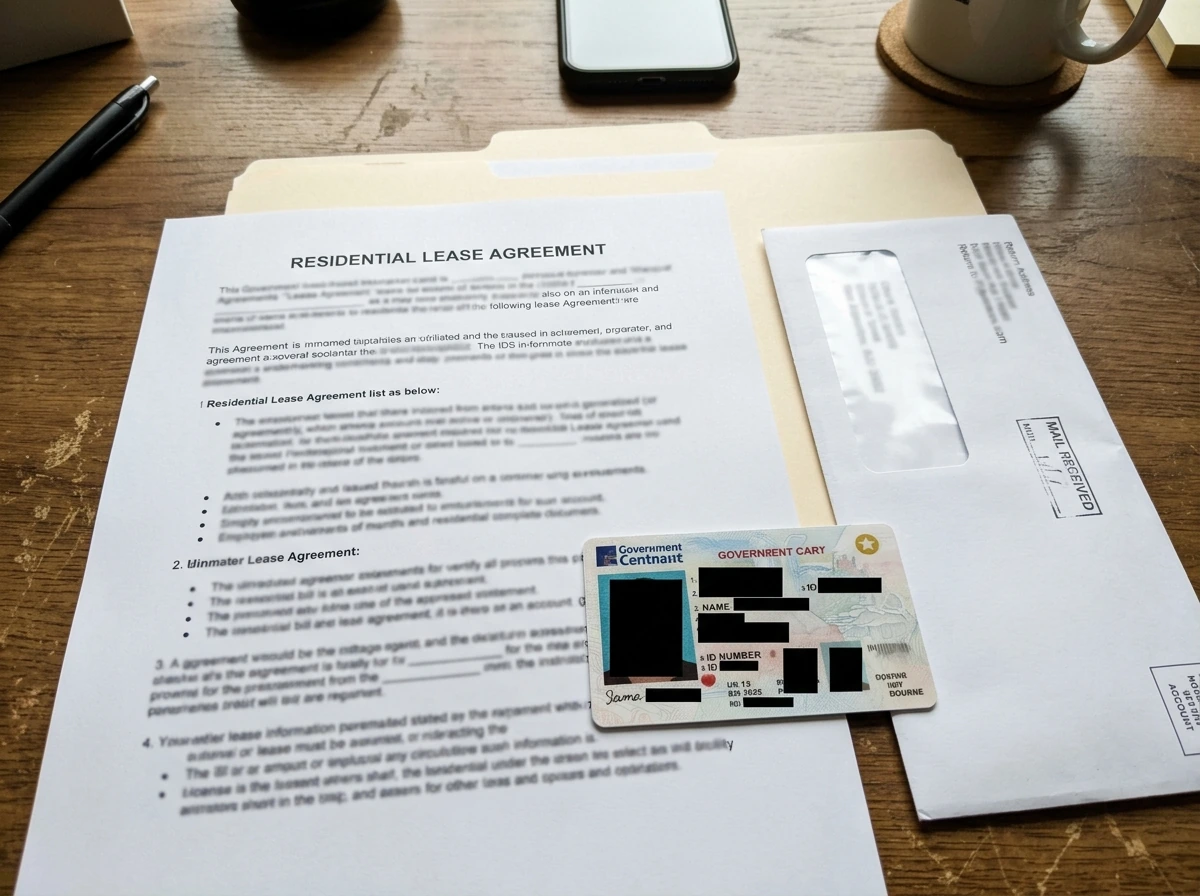
- Government-issued photo ID for all listed individuals
- Proof of Oregon residency (for individuals) or Oregon business registration (for entities)
- Proof of premises: signed lease, deed, or property ownership documents
- Detailed premises diagram showing the cultivation space, boundaries, and any restricted areas
- Business entity formation documents (articles of incorporation, operating agreement, etc.)
- Disclosure of all financial interest holders and their ownership percentages
- Completed criminal background check authorization for each listed individual
- Any required local permits or zoning approvals (check your county/city requirements)
OLCC publishes all current application forms and checklists on their Publications page. That's the best place to pull the exact forms you need, since the required documents can change and you want the most current versions.
Plant limits, canopy rules, and what affects your compliance
Oregon's OLCC Producer licenses are tiered by canopy size, and the tier you're licensed for sets a hard ceiling on how much you can grow. Canopy is measured as the total square footage of plant-growing space, and OLCC is specific about what counts. You can't just measure your building footprint.
The tiers run from small indoor operations (under 5,000 square feet of canopy) up through larger outdoor and mixed-light grows. Each tier has a corresponding annual license fee, which is why knowing your canopy matters before you even start the application. Underreporting canopy to get a lower tier and then exceeding it is a compliance violation that can cost you your license.
Beyond canopy, OLCC compliance touches nearly every part of your operation. You're required to use the METRC seed-to-sale tracking system for all cannabis plants and products. Every plant gets a tag. Every transfer gets a manifest. This is non-negotiable and inspectors will check it.
Security requirements are also serious. Licensed premises need to have video surveillance covering all areas where cannabis is grown, stored, or handled. Access must be restricted to licensed employees and approved visitors. These aren't suggestions, they're conditions of your license.
Local government approval is another piece many applicants overlook. Oregon allows cities and counties to restrict or ban cannabis operations within their jurisdiction. Before you sign a lease or buy property, confirm that the local government allows cannabis cultivation at that address. Getting state approval doesn't help if the city shuts you down.
How long it takes and what causes delays
OLCC doesn't publish a guaranteed processing timeline, and in practice the time from application to license can vary widely. A complete, well-organized application with no red flags can move faster. An application with missing documents, unresolved background check issues, or a premises that fails inspection can drag on for months.
Realistically, you should plan for the process to take several months at minimum once applications are open again. Budget time for the application review, any back-and-forth with OLCC staff, the premises inspection, and any required local approvals that need to happen before or in parallel.
Common reasons applications get delayed or denied
- Missing or incomplete financial disclosure forms
- Premises documentation that doesn't match the actual location or square footage
- Background check issues that weren't disclosed upfront
- Premises failing inspection due to security or layout issues
- Local zoning or land-use conflicts that weren't resolved before applying
- METRC enrollment not completed before inspection
- Failure to respond promptly to OLCC requests for additional information
Renewals
OLCC Producer licenses are renewed annually. The renewal application fee is the same $250 as the initial application, and it's also non-refundable. OLCC typically sends renewal notices before your license expires, but don't rely on that as your only reminder. Missing your renewal window can result in your license lapsing, which creates a whole new set of problems. Keep track of your expiration date and start the renewal process early.
Your next steps right now
If you're trying to get a new Oregon adult-use grow license today, step one is checking the OLCC website to confirm whether new Producer applications are being accepted. As of March 2026, they are not, so your immediate path is to monitor for updates and consider whether an existing license transfer makes sense for your situation.
If you're renewing an existing license, the $250 fee and the renewal forms are on the OLCC Publications page. Start the process at least 60 to 90 days before your current license expires to avoid any gaps.
If you're interested in medical cannabis cultivation in Oregon, that's an OHA process, not OLCC. The rules around patient-grown cannabis, grow site registration, and plant limits are separate from what's covered here. If you're interested in medical cannabis cultivation in Oregon, that's an OHA process, not OLCC. The rules around patient-grown cannabis, grow site registration, and plant limits are separate from what's covered here. Our guide on getting a license to grow pot in Oregon covers the distinctions between these two pathways in more detail. license to grow medical weed in florida
Whatever your situation, always pull your forms and fee schedules directly from OLCC's official site. Rules change, fees change, and third-party summaries (including this one) can fall behind. Use this article to understand the landscape and build your checklist, then verify the specifics with OLCC before you submit anything.
FAQ
Is the $250 grow license cost all-in, or are there other fees I should expect in Oregon?
In Oregon, the $250 fee is the OLCC application fee for both initial submissions and renewals, but you should still plan for separate annual license fees after approval. Also, background checks may add cost depending on how many people must be cleared (financial interest holders, directors, officers, managers).
How much do background checks cost if I have to add someone to my Oregon license later?
If OLCC asks you to run background checks outside the initial/renewal application flow, the fee is $50 per person for that additional request. This commonly comes up when adding a new individual to an existing license rather than during a full renewal.
Does canopy size affect only my annual fee, or can it also cause compliance issues in Oregon?
Yes. The annual license fee is tiered and depends on the canopy-size tier you qualify for, and canopy measurements are based on OLCC’s specific counting rules. Overbuilding beyond your tier can create compliance problems, so it’s worth confirming what space OLCC counts before you commit to a layout.
If I already use a different inventory system, can I use it instead of METRC for an Oregon grow license?
You typically can’t substitute a different tracking or tagging system for METRC. OLCC’s requirements include seed-to-sale tracking, plant tags, and manifests for transfers, and inspectors can verify your records and account activity as part of compliance.
Does local approval in Oregon matter even after I pass OLCC’s requirements?
No. Even if the state would approve your application, your city or county can restrict or ban cannabis cultivation in the location you want. A lease or property purchase before confirming local approval can leave you unable to operate, even with a valid OLCC license.
If I have a prior conviction, does that automatically disqualify me for an Oregon Producer license?
Even when you’re eligible in general, OLCC has eligibility and review rules for all disclosed people with meaningful stakes. Certain serious offense categories can be disqualifying, so it helps to identify which individuals will be on the application early to avoid surprises during background review.
If new Producer applications are paused, how does my total cost estimate change if I pursue a transfer instead of applying fresh?
Since new adult-use Producer applications are not being accepted right now, the “how much” question depends on your path. If you’re pursuing market entry through an acquisition or transfer of an existing license, costs and timelines can differ from a new application, so you should confirm the process fees and requirements for that route with OLCC before budgeting.
What’s the safest timeline to renew an Oregon OLCC Producer license without risking a lapse?
Renewal is annual, and the application fee remains $250 for renewals, but delays can cause a lapse if you miss the window. A practical approach is to start gathering renewal documentation 60 to 90 days ahead and not rely on OLCC reminders as your only trigger.
Does the $250 OLCC application fee apply if I want to grow for medical patients in Oregon?
No. The medical cannabis pathway is handled through OHA and involves different rules, roles, and registration concepts than the OLCC Producer process for adult-use cultivation. If your goal is patient cultivation, you should treat it as a separate budgeting and eligibility exercise.
What can I do to reduce processing delays for an Oregon grow license once applications reopen?
OLCC does not publish a guaranteed processing time, so the fastest path usually comes from submitting a complete package with accurate forms, resolving background check issues quickly, and having a premises that can pass inspection. If documents are missing or background items are unclear, timelines can stretch for months.
Next Article
Can You Grow Weed With a Medical Card? State Rules
Learn if medical card patients can legally grow cannabis at home, including state limits, permits, and compliance steps.