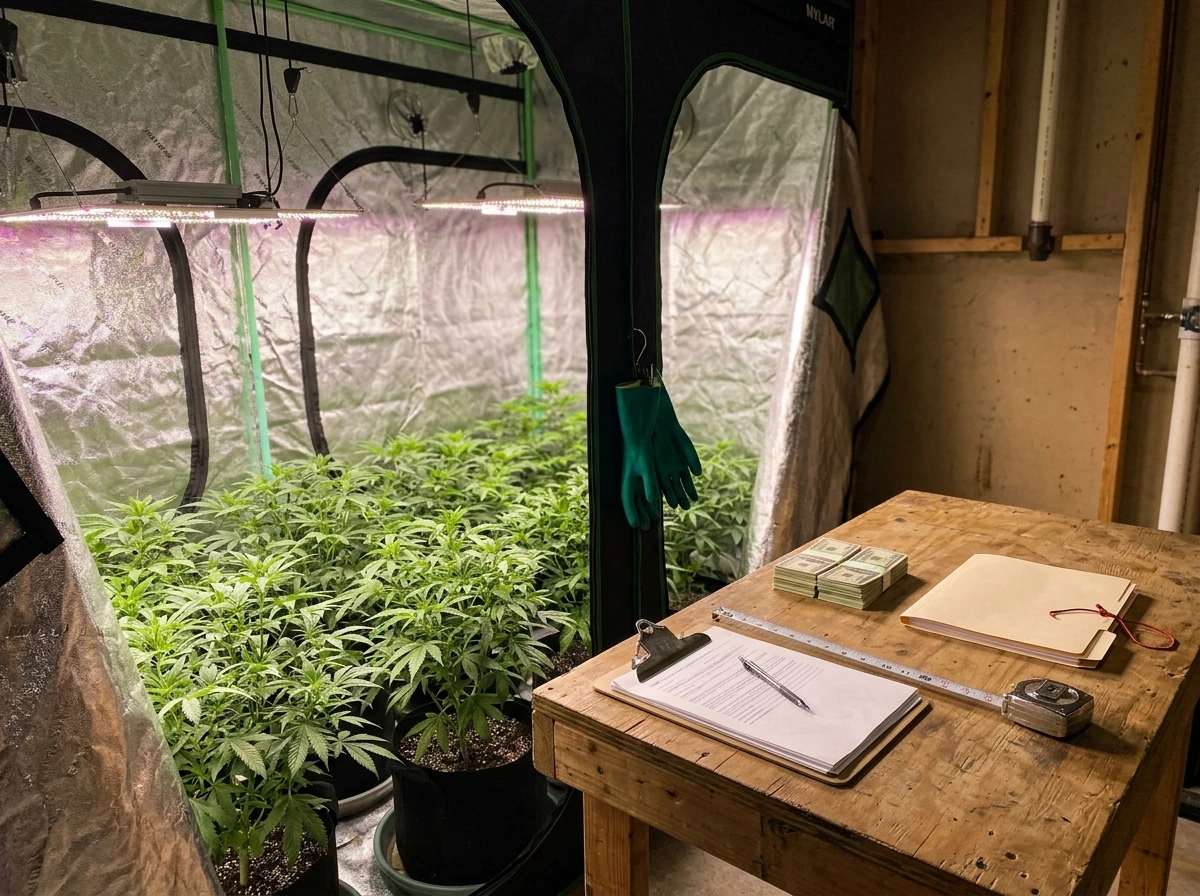
The honest answer is: it depends heavily on your state, and sometimes your city. A medical cannabis cultivation license can cost as little as a few hundred dollars in registration fees (like Oregon's OMMP grow site model) or balloon past $200,000 in application and issuance fees alone (as in Florida or Ohio). Most people searching this question are trying to figure out whether they can realistically afford to get legal. This guide breaks down exactly what drives those costs, gives you real state-by-state numbers, and tells you how to find the exact figure for your specific situation today.
How Much Is the License to Grow Medical Weed Cost Guide

Marcus Whitley
24 Mar 2026
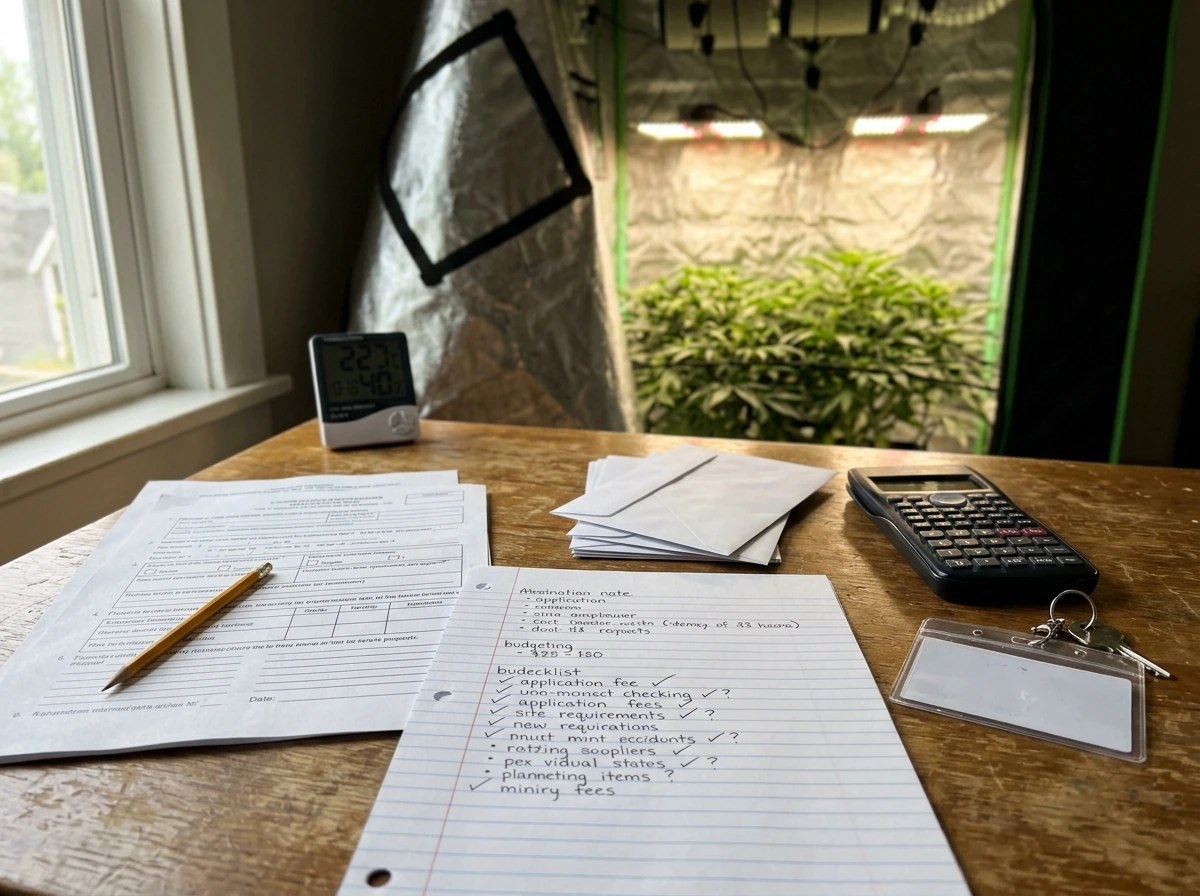
What a medical grow license actually costs: state vs. local basics
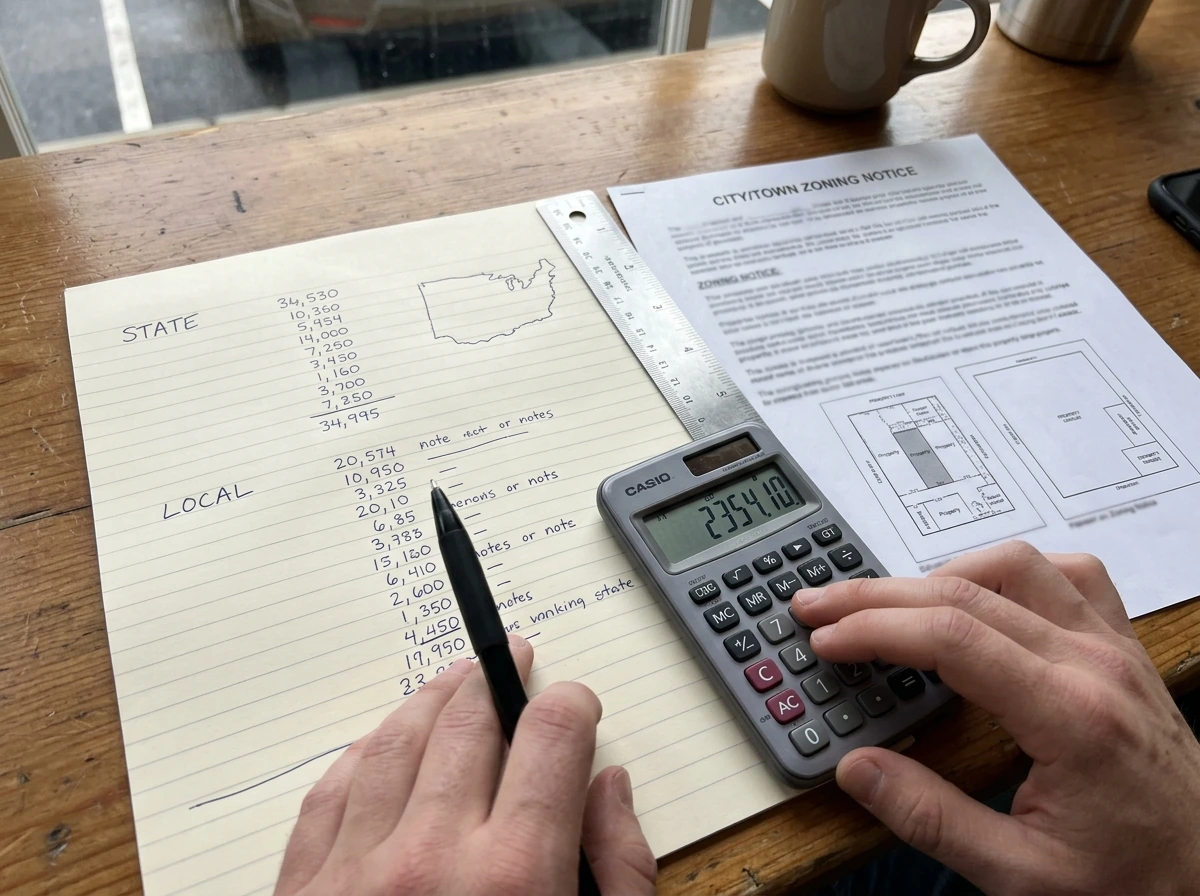
There is no single national fee for a medical cannabis cultivation license. Every US state that allows medical cannabis cultivation sets its own fee schedule, and in many states, you also have to satisfy a local jurisdiction (city or county) before the state license is valid. That means the total cost is often a combination of state-level licensing fees and local permit or approval costs.
The type of operation also matters. States typically distinguish between different scales of cultivation. Ohio, for example, has a Level I (larger) and a <span>Level II (smaller)</span> cultivator classification, and the fees are dramatically different between the two. Other states tier their fees by canopy size, plant count, or production volume. Before you can even look up a fee, you need to know which license tier or category applies to what you want to grow.
Local approvals add another layer. Some municipalities require their own cultivation permit, a zoning approval, or even a business license specific to cannabis before they will sign off on your state application. That local step can add fees, delays, and documentation requirements that affect your overall budget. If you are in a state like Ohio where individual municipalities can regulate or restrict cannabis facilities, checking your city's rules is just as important as checking the state's fee schedule.
Medical vs. adult-use licenses: why the track you choose changes the price
In states that have both medical and adult-use (recreational) cannabis programs, these are often separate license tracks with different fee structures, different application requirements, and sometimes different regulatory agencies overseeing them. A medical cultivation license may be issued by a state health department, while an adult-use license may be issued by a cannabis control board or commerce agency. Do not assume the fees are the same.
In some states, a medical-only cultivation license is cheaper but comes with more restrictions. For example, a medical cultivator may only be allowed to supply licensed medical dispensaries, not the adult-use retail market. In other states, a single cultivation license covers both markets, but you may need a separate endorsement or registration to serve medical patients specifically.
Oregon is a good example of how a state can have two distinct systems running in parallel. Oregon's OMMP (Oregon Medical Marijuana Program) has its own grow site registration process and fee structure separate from the OLCC recreational system. This is the license to grow pot in oregon pathway you need to follow for medical cultivation. If you’re looking for a license to grow weed at home, start by confirming your local rules and which licensing program applies to you. If you are asking about a medical grow specifically, you need to be looking at the OMMP rules, not the adult-use cultivation license rules, since the costs and processes are completely different.
The bottom line: always confirm which program governs medical cultivation in your state before you look up any fee. Searching the wrong program's fee schedule is one of the most common mistakes people make when researching this.
License fees are just the start: what you actually need to budget

The official licensing fee is only one line item in your real budget. Most people underestimate the total cost because they focus on the application fee and miss everything else that is required or practically unavoidable. Here is a realistic breakdown of the cost categories you should plan for.
Official state licensing costs
- Application fee: typically non-refundable, paid when you submit your application
- Issuance or license fee: paid if and when your application is approved (often separate from the application fee and significantly larger)
- Annual or biennial renewal fee: paid to keep the license active; renewal cycles vary by state
- Registration fees: in some states (like Oregon's OMMP), per-patient grow site registration fees apply separately from any grower card fees
Required compliance and site costs
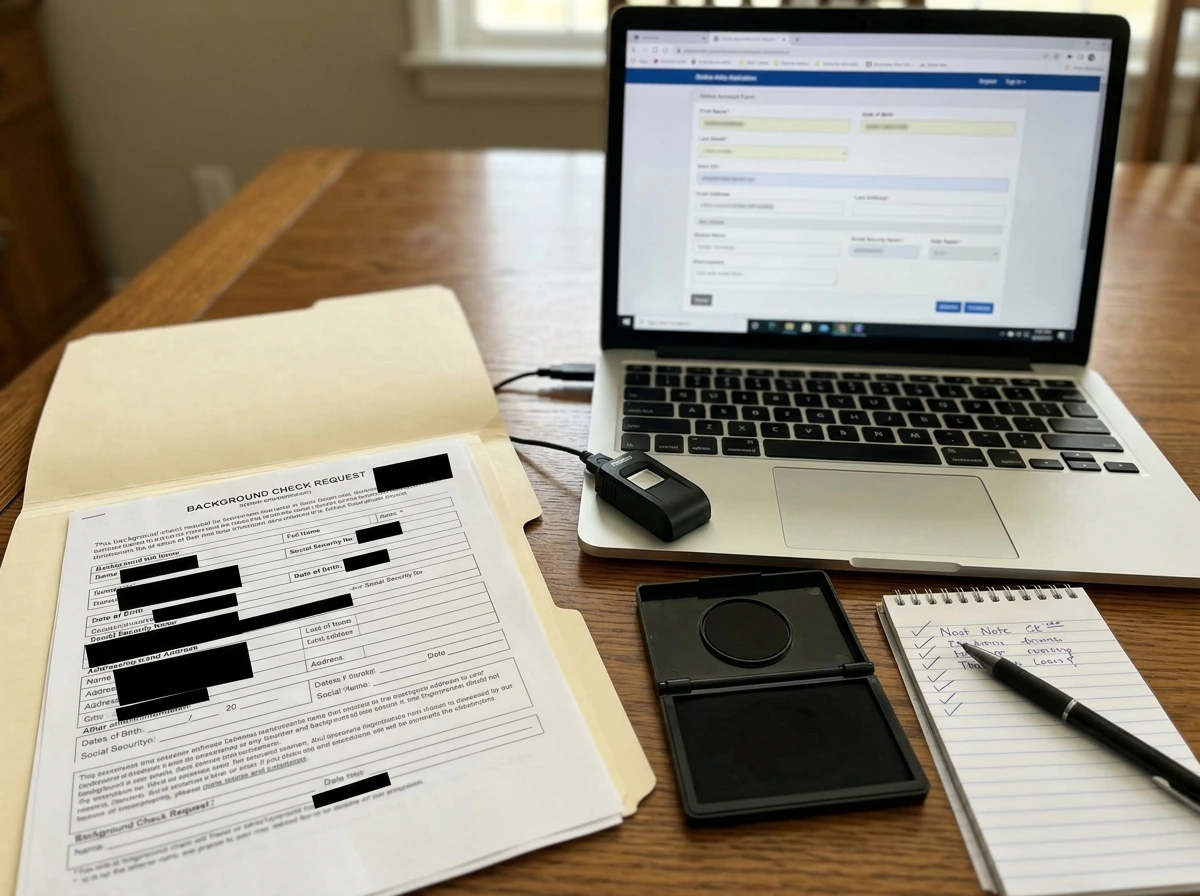
- Background check fees: most states require both a state and federal (FBI) criminal records check for all principals; Ohio, for example, requires both BCI&I and FBI checks for anyone subject to background screening under the licensing rules
- Security system installation: nearly all states require a security plan and physical security infrastructure including cameras, alarms, and controlled access; local ordinances may specify exact requirements such as lighting plans and camera placement diagrams
- Facility buildout and zoning compliance: your grow space must typically meet state and local standards before a license is issued, and lease or buildout timelines directly affect when you start paying ongoing costs
- Performance bonds or insurance: some states (Arkansas is one example) require cultivation facilities to post a performance bond as part of the licensing process; liability and property insurance are also commonly expected
- Cannabis tracking system fees: some states charge separately for access to mandatory seed-to-sale tracking systems; Oregon's OMMP charges a $480 Cannabis Tracking System user fee in addition to grow site registration fees
- Ongoing testing and recordkeeping: licensed cultivators are required to test product and maintain detailed records; while these are operational costs rather than licensing fees, they are compliance obligations that start from day one of licensure
- Local permits and approvals: city or county business permits, zoning variance applications, or municipal cannabis-specific permits may each carry their own fees
When you add these up, the total cost to get licensed and operational can easily be several times the official license fee. For a commercial medical cultivator in a high-fee state like Florida or Ohio, total startup costs including buildout and compliance infrastructure can reach into the millions. For a small-scale OMMP grow site registrant in Oregon, the cost picture is much more modest, but you still need to budget beyond the $200 registration fee, and you can use this to estimate how much is a grow license in oregon for your setup.
What states actually charge: real fee ranges and structures
The table below summarizes verified fee data and typical structures for a few key states. These numbers reflect the most current published data as of early 2026, but fees can change, so always verify with the official agency before submitting anything.
| State | License Type | Application Fee | Issuance / License Fee | Renewal | Notes |
|---|---|---|---|---|---|
| Ohio | Level I Cultivator (medical) | $20,000 (non-refundable) | $180,000 | Separate renewal fee per rule 3796:5-1-01 | Largest commercial tier; both BCI&I and FBI background checks required |
| Ohio | Level II Cultivator (medical) | $2,000 (non-refundable) | $18,000 | Separate renewal fee per rule 3796:5-1-01 | Smaller-scale tier; same background check and security plan requirements apply |
| Florida | MMTC (medical marijuana treatment center) | $146,000 application fee (cashier's check) | Included in MMTC structure | Biennial renewal fee required under Fla. Stat. 381.986 | Single vertically integrated license model; very high barrier to entry |
| Oregon (OMMP) | Medical grow site registration | $200 per patient grown for | Fee paid before grower card is issued | Due at renewal submission | Additional $480 CTS user fee; notarized property owner consent required if you don't own the property |
| Arkansas | Cultivation facility (medical) | Set by AMMC/DFA; check current application materials | Issued by AMMC | Per AMMC renewal cycle | Performance bond required; background check instructions published by DFA |
Oregon's OMMP model stands out as fundamentally different from commercial state programs. Because it is structured as a patient-centered program, a registered grower pays $200 per patient they are designated to grow for, not a single large license fee. If you are growing for multiple patients, that fee multiplies. The $480 CTS tracking system fee is also separate. This is still far less than a commercial cultivation license, but the program also limits what you can do with the cannabis you grow.
Florida sits at the opposite extreme. The $146,000 application fee alone (paid by cashier's check) is a serious filter on who can realistically apply. Florida's medical marijuana model uses a vertically integrated treatment center structure, which means the license covers cultivation, processing, and dispensing together, rather than a standalone cultivation license. That integration is part of why the cost is so high.
Ohio's two-tier system gives applicants a real choice between a smaller, lower-cost path (Level II at $20,000 total in application and issuance fees) and a large commercial operation (Level I at $200,000 total). The difference in scale and production capacity between the two tiers is significant, so you need to choose the tier that actually fits your intended operation.
States not listed here, including Louisiana, Michigan, Massachusetts, Colorado, and others, all have their own fee schedules. We cover specific states in detail in other guides on this site, including dedicated breakdowns for Oregon, Florida, Ohio, Arkansas, and Louisiana.
Application steps that can push your costs up
The application process itself has a direct impact on your budget, especially when it comes to timing. Here is what to watch for.
- Confirm your license category first: applying for the wrong tier or the wrong program wastes a non-refundable application fee. Read the eligibility rules carefully before you pay anything.
- Get local approvals in place: many states require proof of local zoning compliance or a letter of non-objection from your municipality before or alongside your state application. Missing this step can delay your approval and extend the time you are paying for a lease or buildout without generating revenue.
- Gather required documents before you start: common requirements include proof of property ownership or notarized consent from the property owner (Oregon requires notarized property owner consent for registered grow sites), entity formation documents, financial disclosures, operating procedures, and a security plan. Oregon's OMMP application packet, for example, requires notarized consent documentation as a specific component of the grow site application.
- Schedule background checks early: state and federal criminal records checks take time to process. Ohio requires both an Ohio BCI&I check and a federal FBI check for applicable persons. If you have multiple principals or investors who need to be screened, getting everyone through background checks can take weeks and adds cost per person.
- Prepare your security plan to the required standard: Ohio's licensing rules explicitly require a security plan as part of the application, and local municipal codes can add their own specificity. One example municipal ordinance requires applicants to submit a security plan that includes a lighting plan, identification of all cameras and alarms, and a diagram of the premises layout. If your plan does not meet the required standard, you may face resubmission delays.
- Build in time for the full application review cycle: state agencies review applications over weeks or months. The longer your buildout and lease run before you receive your license and start operations, the higher your pre-revenue carrying costs.
Compliance costs you will keep paying after you are licensed
Getting the license is one cost. Keeping it is another. These are the recurring compliance expenses that come with holding a medical cultivation license.
- Renewal fees: every state has a renewal cycle. Florida renews MMTCs biennially upon payment of the renewal fee and demonstration of continued compliance. Ohio has renewal fees defined in its administrative code. Missing a renewal deadline can result in license suspension or additional reinstatement fees.
- Facility maintenance to standard: your grow facility must continue to meet state and local requirements throughout the license period. If regulations change, you may be required to upgrade security infrastructure, modify your facility layout, or adopt new recordkeeping systems.
- Seed-to-sale tracking compliance: states with mandatory cannabis tracking systems (like Oregon's CTS) may charge annual or per-transaction fees for system access, and your staff must be trained to use the system correctly.
- Product testing: licensed cultivators are required to submit cannabis to licensed testing labs at defined points in the production cycle. Lab fees are a real and recurring cost that scales with your production volume.
- Insurance and bonding: if your state requires a performance bond (as Arkansas does), that bond must be maintained. Insurance coverage for your facility and operations is also typically expected and has ongoing premium costs.
- Record retention and reporting: most states require cultivators to maintain detailed records for inspection and to submit regular reports. While the cost of recordkeeping is partially time, any compliance software or staff time dedicated to this is a real budget line.
How to find the exact current fee for your state and what to do next

Fees change. States update their administrative codes, sometimes annually. The numbers in this article reflect verified data as of early 2026, but the only way to know the exact current fee for your state and license category is to go directly to the official regulatory source.
Here is a reliable process to find and confirm the real cost for your situation today.
- Identify the agency that regulates medical cannabis cultivation in your state: this is usually a state health department, a cannabis control board, or a department of agriculture. Search your state name plus 'medical cannabis cultivation license' and look for a .gov domain.
- Find the fee schedule or administrative code directly: most states publish their fee schedules in administrative rules or regulations. Look for a rules or regulations section on the agency website, or search for your state's administrative code with terms like 'medical marijuana cultivator fee' or 'cannabis cultivation application fee.'
- Confirm which license tier or category applies to your intended operation: read the eligibility criteria for each tier before assuming a fee applies to you.
- Check your local jurisdiction's requirements: search your city or county website for cannabis, marijuana, or cultivation-related zoning and permit requirements. Call the planning or zoning department if the website is not clear.
- Download the current application packet: the application instructions will list every required document, fee amount, and payment method. This is your authoritative checklist.
- Before you pay anything, verify your eligibility: confirm you meet residency requirements (if any), entity formation requirements, background check clearance expectations, and facility readiness standards. Paying a non-refundable application fee before you know you qualify is a costly mistake.
- If fees are not posted online, call the agency directly: regulatory agencies are required to be transparent about fee schedules. A direct call to the licensing office will get you the current number faster than searching.
If you are in a state with detailed guides already covered on this site, including Oregon, Florida, Ohio, Arkansas, or Louisiana, check the state-specific articles for deeper breakdowns of the application process, eligibility rules, and fee structures. Those guides go into significantly more detail than a general overview can.
The most important thing to take away is that the official license fee is rarely the whole story. Build your budget around the full cost picture: application fee, issuance fee, renewal cycle, background checks, security infrastructure, local permits, tracking system fees, and ongoing compliance costs. Once you have that full number in front of you, you will know whether this is a realistic path for your situation right now.
FAQ
Why do quotes for “how much is the license to grow medical weed” vary so widely for the same state?
Because people often mix up different programs (medical versus adult-use), different cultivation tiers (for example Level I versus Level II), and sometimes different fee components (application versus issuance versus local approvals). Confirm the exact license category name and whether you need local zoning signoff before totaling the cost.
Do I need to pay renewal fees every year, or only when the license is renewed?
It depends on your state’s renewal cycle, which can be multi-year. Budget for recurring items even if the official renewal fee is infrequent, such as required background updates, security inspections, tracking or reporting system charges, and any recurring local permit renewals.
Are background checks included in the licensing fee, or are they separate costs?
In many states, background checks are separate from the main application and can include costs for individuals tied to the business (owners, managers, sometimes key employees). Ask what exactly triggers a background check and who must pay for it, then add that number to your budget.
What security and compliance costs do people typically forget when calculating the total price?
You usually need to budget for hardware and setup costs beyond the license fee, like cameras, controlled access, alarm or monitoring systems, secure storage, and compliance documentation. Some states also require specific security plan elements and proof at inspection, which can mean additional consulting or engineering costs.
If I apply but get denied, do I get any of the license fees back?
Usually not all of them. Many states treat major fees as nonrefundable once you file, even if the application is rejected or you withdraw. Before submitting, check whether there is any refund policy for application versus issuance versus local permit stages.
Can I reduce the total cost by choosing a smaller cultivation tier or different canopy size?
Often yes, but you must match the tier to your planned production output. Choosing a lower-cost tier can reduce application and issuance fees, but you may face stricter limits on what you can grow, how much you can sell, or which markets you can supply.
If a state has both medical and adult-use tracks, can I use the same cultivation facility for both without paying twice?
Not automatically. Even if you are using the same buildings, medical and adult-use can require separate licenses, separate endorsements, or different approvals under different regulators. Ask whether your operation can operate under one license and simply sell to both markets, or whether you must hold separate authorizations and pay separate fees.
For Oregon, why is the cost model not the same as a traditional “license fee” state?
Oregon’s medical cultivation pathway is structured around registering grow sites and paying per-patient amounts rather than paying one large standalone cultivation license fee. That means your total cost scales with how many patients you are designated to grow for, plus separate tracking system fees.
For Florida and other vertically integrated models, why is cultivation so expensive compared with standalone cultivation states?
Because the license structure may cover multiple functions in one integrated program (cultivation plus processing and dispensing under the same overall licensing framework). That integration is a key reason the application fee can be extremely high compared with states that issue standalone cultivation licenses.
Do I need local city or county permits in addition to the state license fee?
Often yes. Many municipalities require zoning approval, a local business or cultivation permit, or documented compliance steps before the state will validate your application. Treat local approvals as a budget line item and a timeline driver, not as an afterthought.
What is the best way to estimate my total cost before spending on consultants or early applications?
Start by identifying your exact license category and tier, then list every required cost category: application and issuance fees, renewal cycle costs, background check costs for each required person, tracking system fees (if applicable), local permit or zoning costs, and security infrastructure and inspection preparation costs. Build a conservative range, not a single number.
How often do licensing fees change, and how can I avoid using outdated numbers?
Fees can be updated through administrative rule changes, sometimes annually. Verify the fee schedule and any required supplemental charges directly from the current official regulator before filing, and re-check if your category or tier changed compared with the last time you looked.
What paperwork or documentation delays most frequently cause people to miss timelines and increase their costs?
Common issues include incomplete ownership and control disclosures, incorrect facility details for the proposed tier, missing proof for security plan requirements, and slow local signoff on zoning or permits. A practical approach is to create a checklist aligned to your state’s submission requirements and start collecting documents well before the filing window.
Next Article
How Much Is a Grow License in Oregon Cost and Fees
Breakdown of Oregon grow license costs, fees, renewal, and steps to apply, plus common extra expenses and timelines.